
People often mock “health and safety” these days for being excessive, but when you look back to the 1970s, you’ll realize that most of it was necessary. Plenty of everyday items from that decade were quietly pushed out of reach, and for good reason, with many being banned outright. If you feel like you need a reminder, here are some things from the ‘70s that you’re no longer allowed to own or use.
Leaded Gasoline

When you pulled up to the gas pump in the ’70s, you’d be filling your tank with leaded gas. Sometimes, we romanticize that because it was much cheaper and apparently boosted engine performance.
Over time, though, health experts linked it to serious brain damage and developmental issues in children, prompting governments to phase it out through the ’80s and ’90s. That’s definitely for the best!
Clackers

Another dangerous competitor to lawn darts, clackers were two acrylic balls on a string that, admittedly, looked pretty harmless. They definitely weren’t, though, being notorious for smashing into each other with enough force to shatter. Upon breaking, they’d send shards flying into eyes and faces, at least until the safety commissions stepped in.
Asbestos Insulation

Perhaps the most dangerous ‘70s staple on this list, asbestos was once the go-to material for insulation in buildings, as it was fireproof and cheap. Tragically, though, it was discovered that its tiny airborne fibers could cause deadly conditions like mesothelioma.
Mercury Thermometers
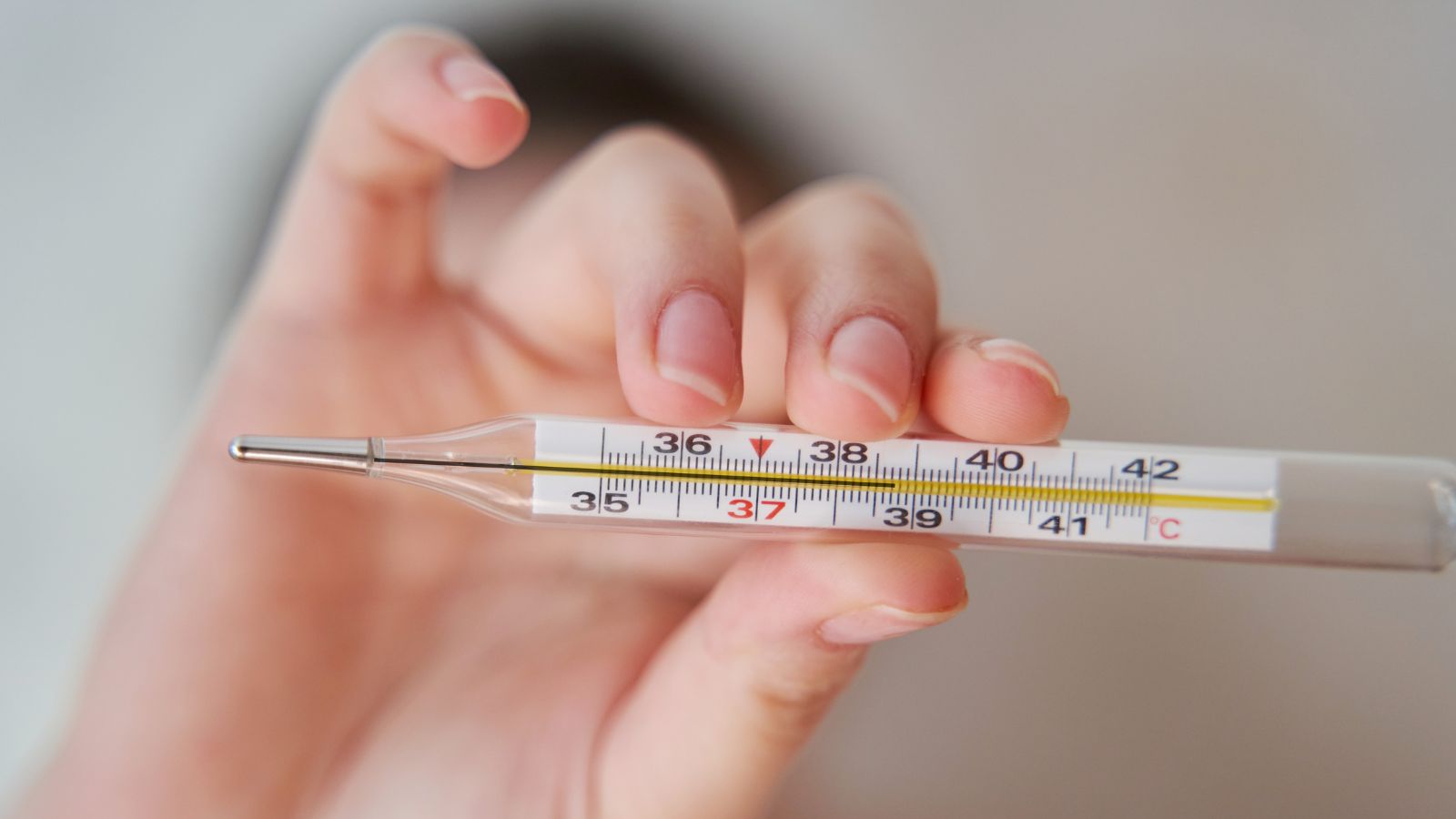
Nowadays, everyone knows that mercury is toxic, so it seems outrageous that it was used so prevalently in thermometers. To make matters worse, these thermometers were usually made of glass, so if you dropped them, you’d have a poisonous fluid all over your floor or hands. Thankfully, they’ve long since been replaced by digital alternatives.
Tanning Beds for Teens
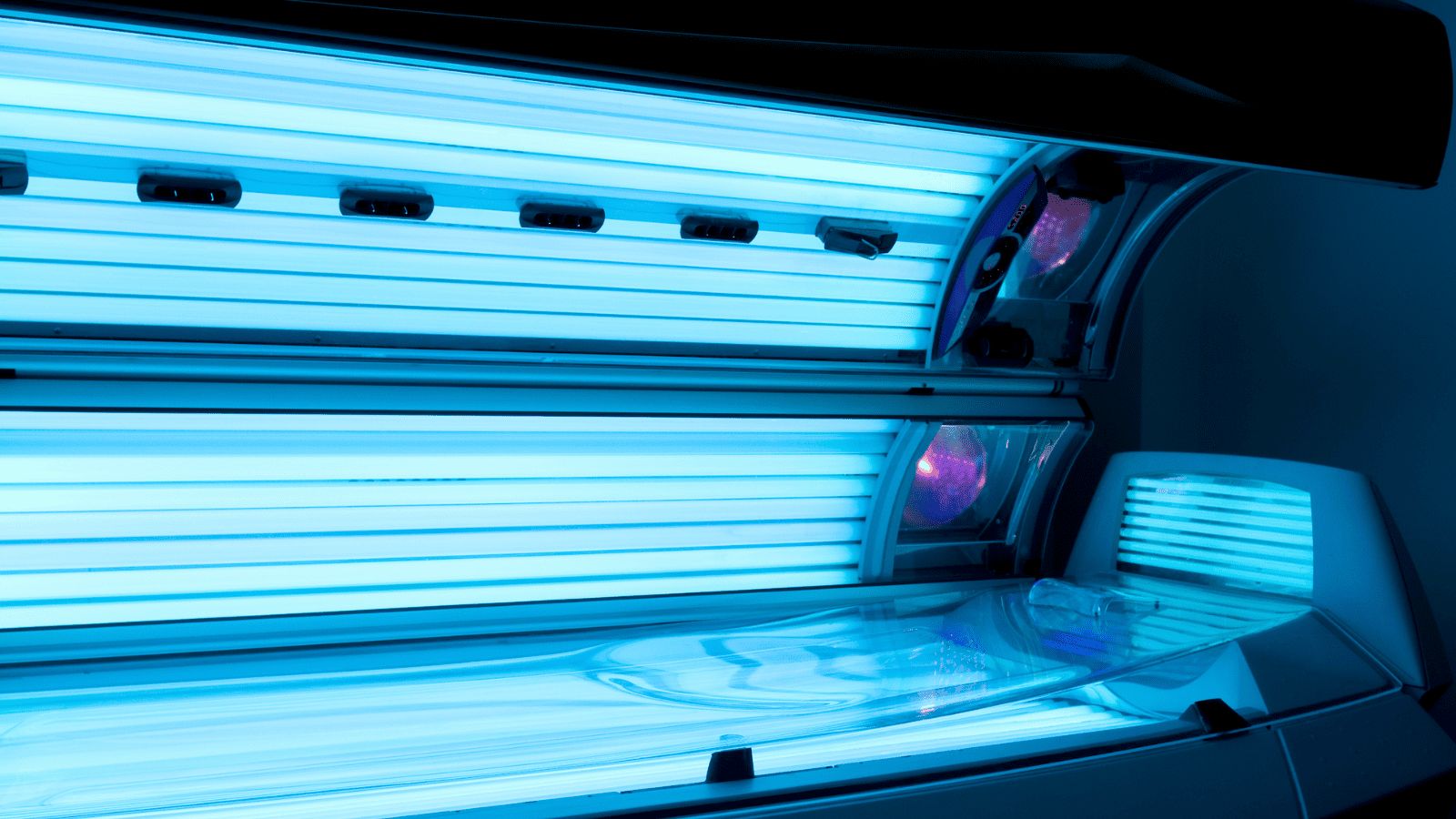
We hate looking back on this one. Yes, sunlamps and tanning beds exploded in popularity in the ’70s, particularly among teenagers. Sadly, skin cancer rates followed, leading most countries and states to now restrict or outright ban minors from using them.
DDT Pesticide

This chemical was once sprayed across crops, and there’s no denying that it was excellent at killing mosquitoes and pests. The problem, though, was that it didn’t go away, building up in ecosystems. Consequently, birds of prey started to disappear until the U.S. banned DDT in 1972. Rachel Carson’s Silent Spring certainly played a big part in that.
Flammable Children’s Pajamas

Next time you claim that “health and safety has gone mad,” remember how children’s pajamas in the ‘70s were flammable. Yes, really. It sounds like some kind of sick joke, but those footed onesies and nightgowns were absurdly dangerous.
Tris-Coated Fabrics

Similar to the last point, the chemical Tris (tris(2,3-dibromopropyl) phosphate) was everywhere in the ‘70s, as it helped make the previously-mentioned flammable kids’ clothes fire-resistant. Ironically, though, it turned out to be a carcinogen, and studies found that it could be absorbed through the skin. Within a few years, it was gone from our country forever.
Pre-1980s Hair Dryers

The ‘70s and ‘80s were full of big hair, and hair dryers were necessary to make this happen. That was a serious problem, though, as most early hair dryers weren’t grounded and could therefore cause electrical shocks.
Even worse, certain models had asbestos insulation to handle heat…yikes. Hair salons and homes unknowingly hosted these hazards for years, but thankfully, that’s no longer the case.
PCBs in Electronics

Even to this day, Polychlorinated biphenyls (PCBs) are popular for prototyping electronic devices, but in the ‘70s, they were more commonly used in the electronic components of commercial products. Sure, they were convenient and helped electronics last longer and run smoother, but their plastics also lingered in the environment and, eventually, the human body. Because of this, most countries banned them by the early ’80s..
Candy Cigarettes
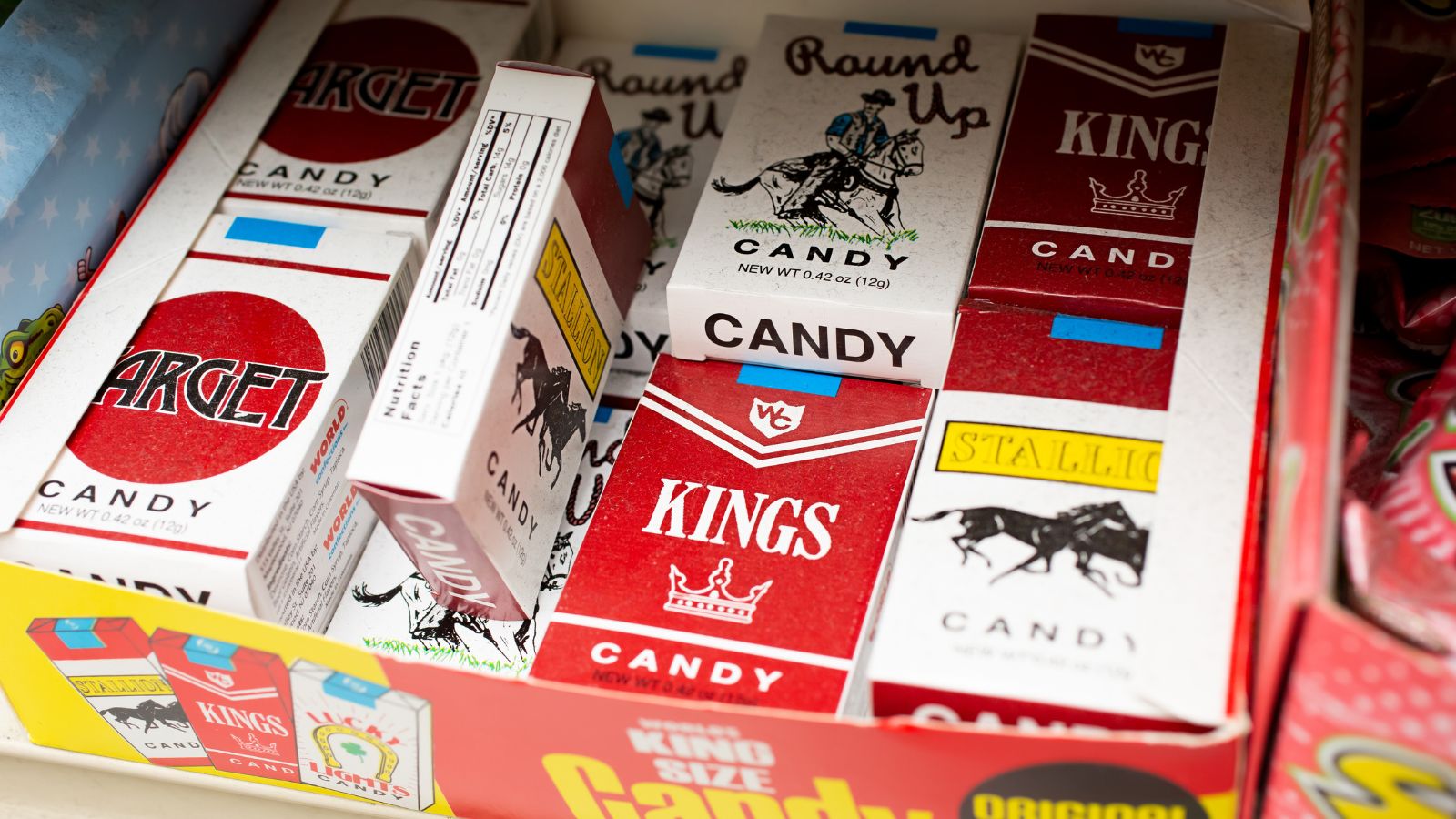
Today’s parents could never, but in the 1970s, candy cigarettes were found in the pockets of many American children… that is, if they weren’t already smoking. Yes, these “cigarettes” were just made of sugar, but they undeniably trained kids to see smoking as cool. Some versions even puffed powder to imitate smoke, something you will never see today.
Unsafe Cribs

Back in the day, drop-side cribs seemed practical, as they provided easier access to the baby and facilitated quicker cleanups. However, they also caused hundreds of injuries and several deaths, as they created gaps where infants could become trapped. Shockingly, they still weren’t banned until 2011, but they’re no longer sold.
Poppers (Amyl Nitrite)

Used both medically and recreationally, these little vials were popular in underground American party scenes. They were totally illegal, and people loved them, as sniffing them gave a pleasurable head rush and “muscle relaxation”. However, their inevitable abuse led to health risks, including vision loss and sudden death, so you don’t really see them in stores anymore.
Chlorofluorocarbon (CFC) Aerosols

Another thing from the 1970s that you’re no longer allowed to own or use is hairsprays, deodorants, air fresheners, and other aerosols that are loaded with CFCs. There’s no denying that they made for the perfect spray mist, but one day, scientists discovered that they were tearing a hole in the ozone layer.
Eventually, the 1987 Montreal Protocol led to a global phase-out, and our planet is no doubt thanking us for that.
Toy Guns That Look Real

Kids still love to play with toy guns, but they tend to be made from brightly-colored plastic and rarely fire anything other than water or foam. That was far from the case in the ‘70s, though; cap guns and plastic revolvers were all over the place, and they often looked identical to real firearms. Terrifyingly, police encounters sometimes turned deadly when the toys were mistaken for actual weapons, which is why new rules were introduced, requiring bright colors or orange tips.
High-Lead Paints

Just like with gasoline, lead paint was commonly found in ‘70s garages, especially when it came to particularly vibrant colors. It did help them to last longer, but once the paint eventually chipped or flaked, it exposed kids to lead poisoning. So, those formulas are now banned in residential settings, and professionals must follow strict rules when renovating older homes.
Unregulated Baby Walkers

As with cribs, plastic-framed baby walkers on wheels were way too dangerous in the ‘70s. They made it awfully easy for toddlers to roll down stairs or reach hot stoves, along with countless other hazardous situations.
After thousands of injuries, regulations were finally introduced, and in Canada, baby walkers were banned outright. In other places, only walkers meeting modern safety standards can be sold legally.
Radium Dial Watches
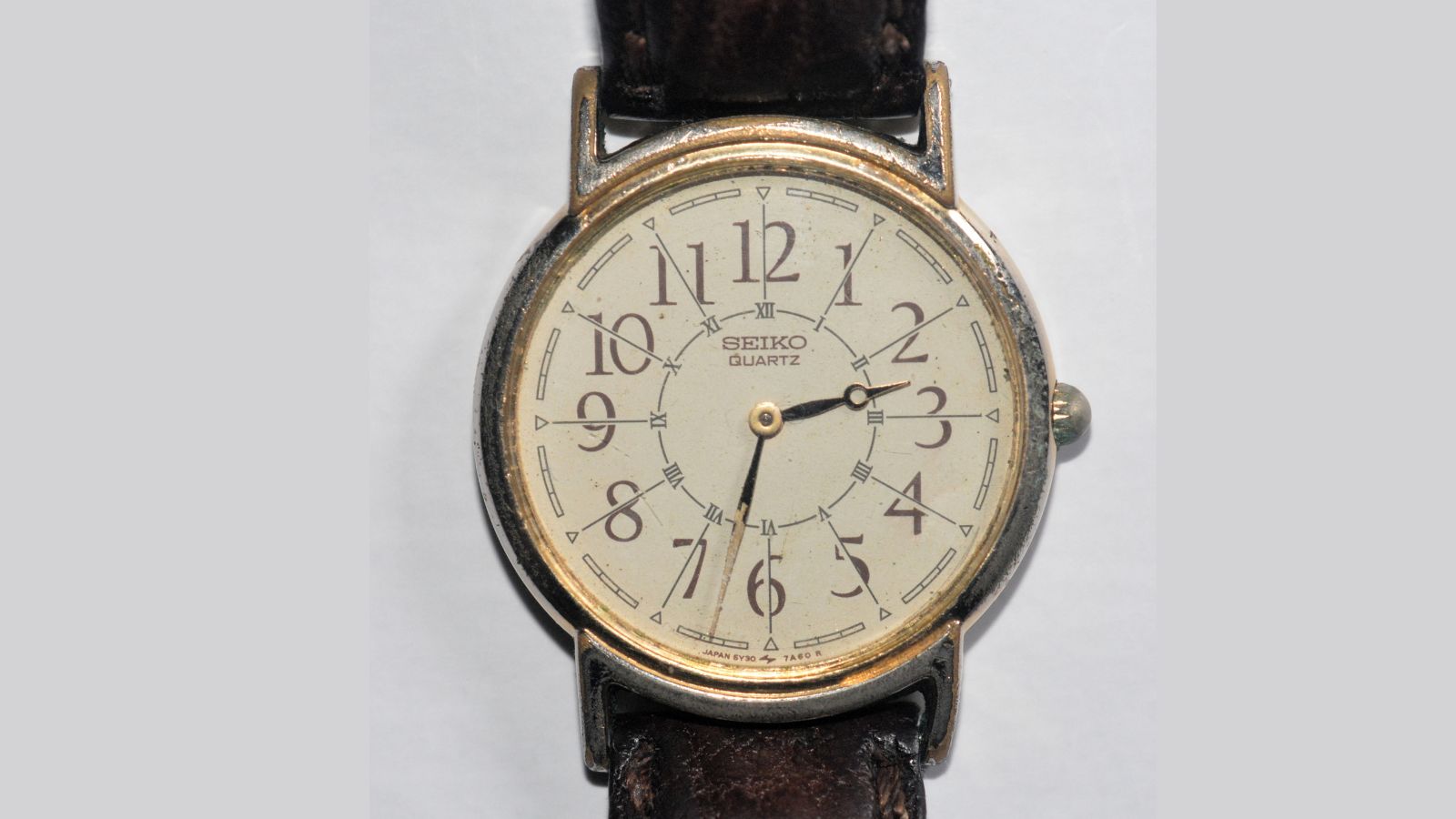
We all loved the glowing green hands of radium dial watches, a gadget that screamed “cool” in the ‘70s. Little did we know, though, that they could cause severe radiation poisoning. Yes, really; lawsuits followed, and safer alternatives like tritium or LED lighting took over.
Gas-Powered Lawn Mowers Without Safety Shields

Last on our list are gas-powered lawn mowers, at least those without safety shields. Disturbingly, older push mowers had exposed blades that could send rocks flying or slice a toe without warning, which wasn’t exactly ideal when kids were playing in the yard. They also lacked shut-off features or blade guards, so as you can imagine, injury data from the ’70s pushed manufacturers to redesign them.
Lawn Darts (Jarts)

Remember lawn darts? Maybe you knew them as jarts. Whatever you called them, these sharp-tipped backyard games were lethal. Essentially, they were oversized darts that were supposed to be tossed at a plastic ring on the lawn. More commonly, though, their points would miss, causing serious injuries and sometimes even puncturing skulls!
POPULAR POSTS
18 Backyard Features That Are Now Totally Illegal
14 Jobs That Love Hiring Retirees Because They Actually Show Up and Work
17 Innocent-Looking Items That TSA Might Take Away from You
Parts of this article were developed using AI assistance.