
There’s nothing better than having your own backyard, especially when it can be used for barbecues, gardening, or laying out in the sun. This usually means you want your backyard to look the best it possibly can, but that doesn’t mean you can do whatever you want to it. Here’s a list of 18 backyard features that might land you in hot water.
Fire Pits Without Permits
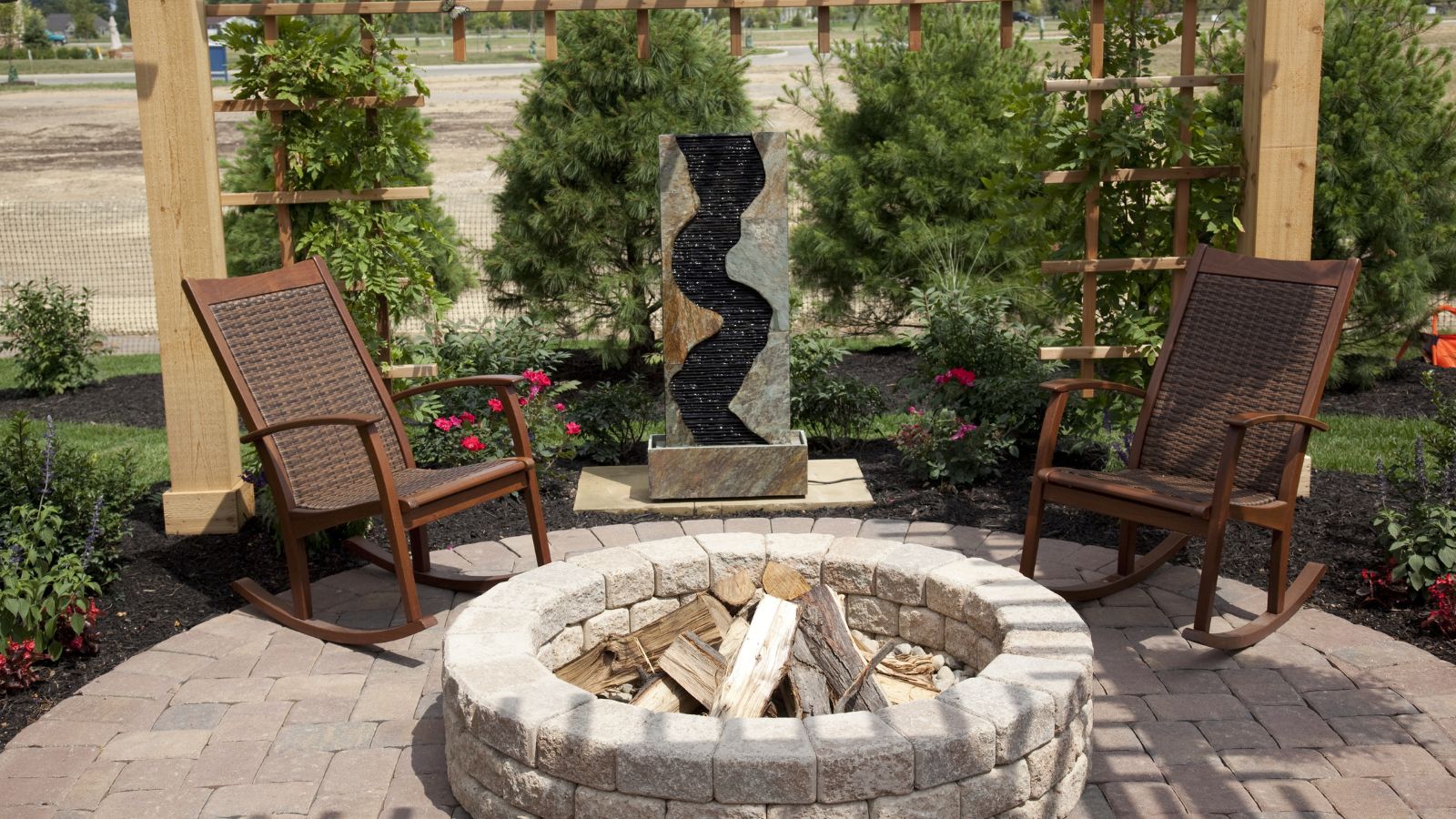
Let’s start with one that might surprise you, fire pits. Everyone loves sitting around a fire, especially on chilly nights with friends and family. But depending on where you live, having a fire pit might require a permit or even be banned entirely. Places with high wildfire risk, like parts of California or Colorado, have strict rules about open flames.
Rainwater Collection Barrels

Now here’s something that seems totally harmless, collecting rainwater. You’d think saving water would be encouraged, right? But in some states, collecting rain in barrels is either highly regulated or flat-out illegal without special permission.
The idea is that rainwater is part of a natural system that feeds rivers, lakes, and even reservoirs.
Invasive Plant Species
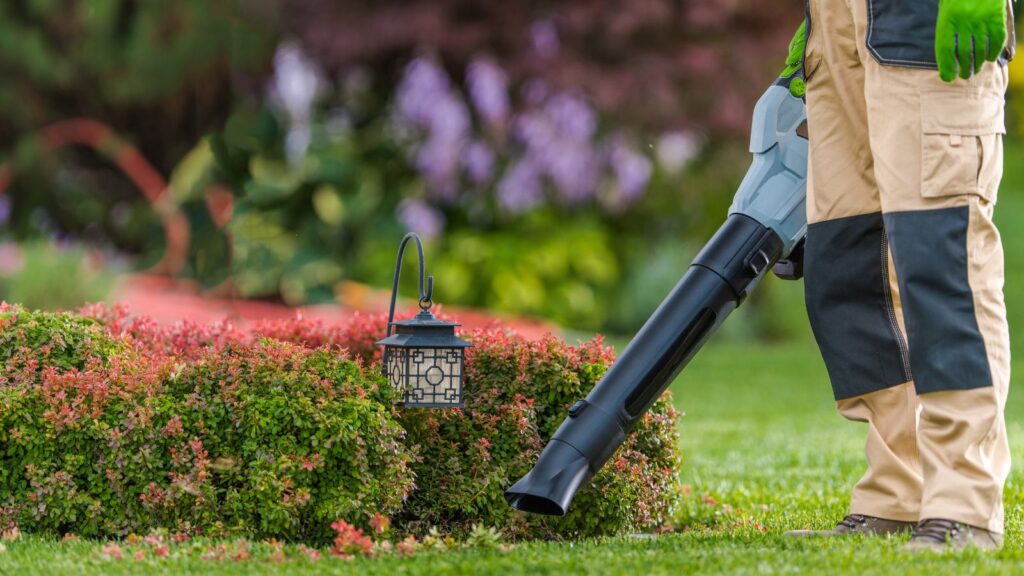
Believe it or not, planting certain flowers, vines, or shrubs could actually break the law. That’s because some plants are considered invasive, meaning they spread aggressively and damage local ecosystems. Bamboo is one common example, as it grows like crazy and can be almost impossible to get rid of.
Tall Fences and Hedges
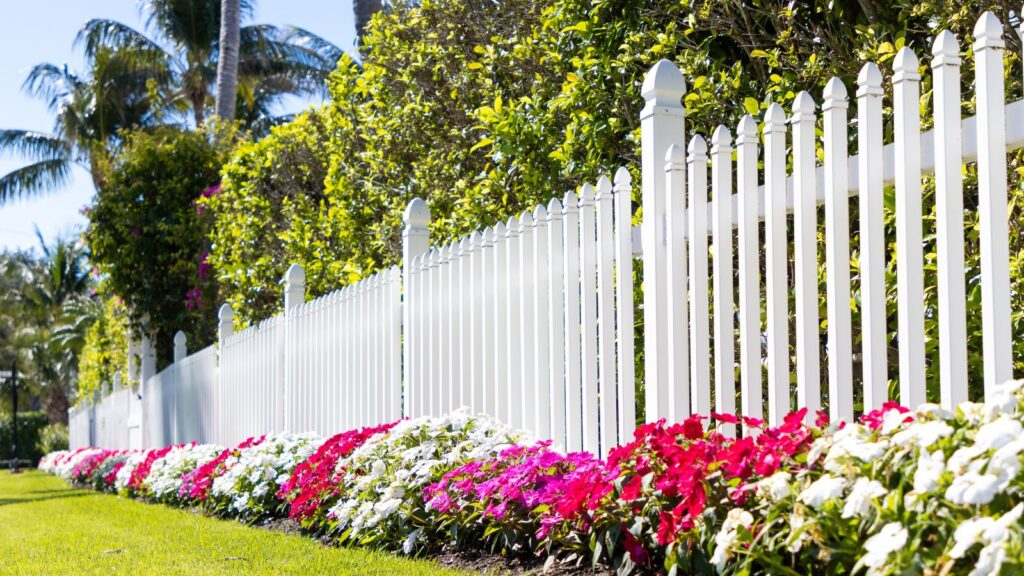
Next up, let’s talk about fences and hedges, because yes, even those can get you into trouble as most cities have height limits for fences. In the backyard, it’s usually around six feet and in the front yard, it might be as low as three or four.
Some areas have regulations to keep sightlines clear for drivers, especially near sidewalks and corners.
Outdoor Kitchens Without Inspections
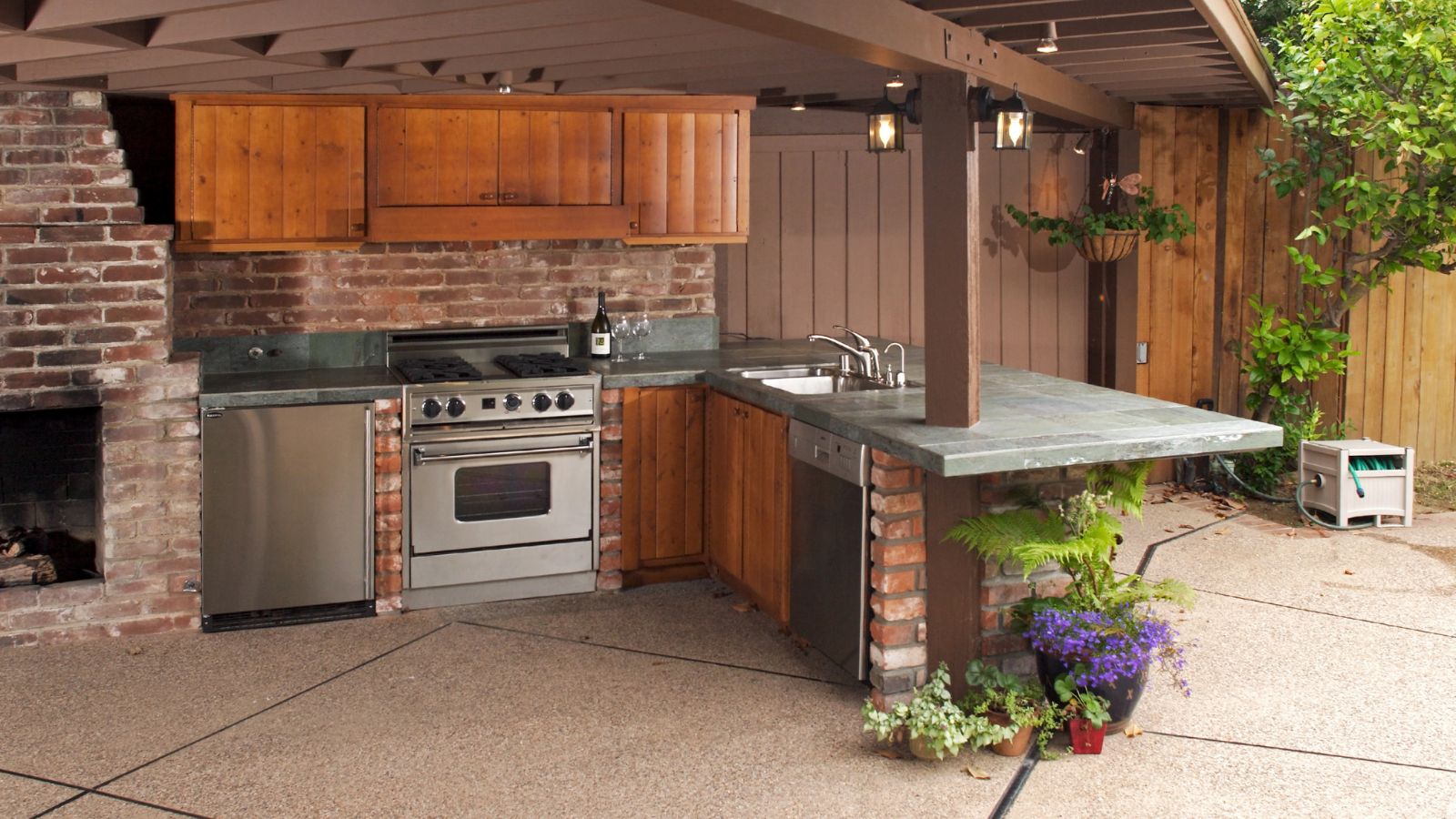
Here’s another one that’s catching more and more people by surprise, outdoor kitchens. These setups are incredibly popular right now, especially with folks wanting to entertain outside. But once you start adding sinks, fridges, or gas grills with built-in connections, you’re entering “permit required” territory.
Unpermitted Sheds
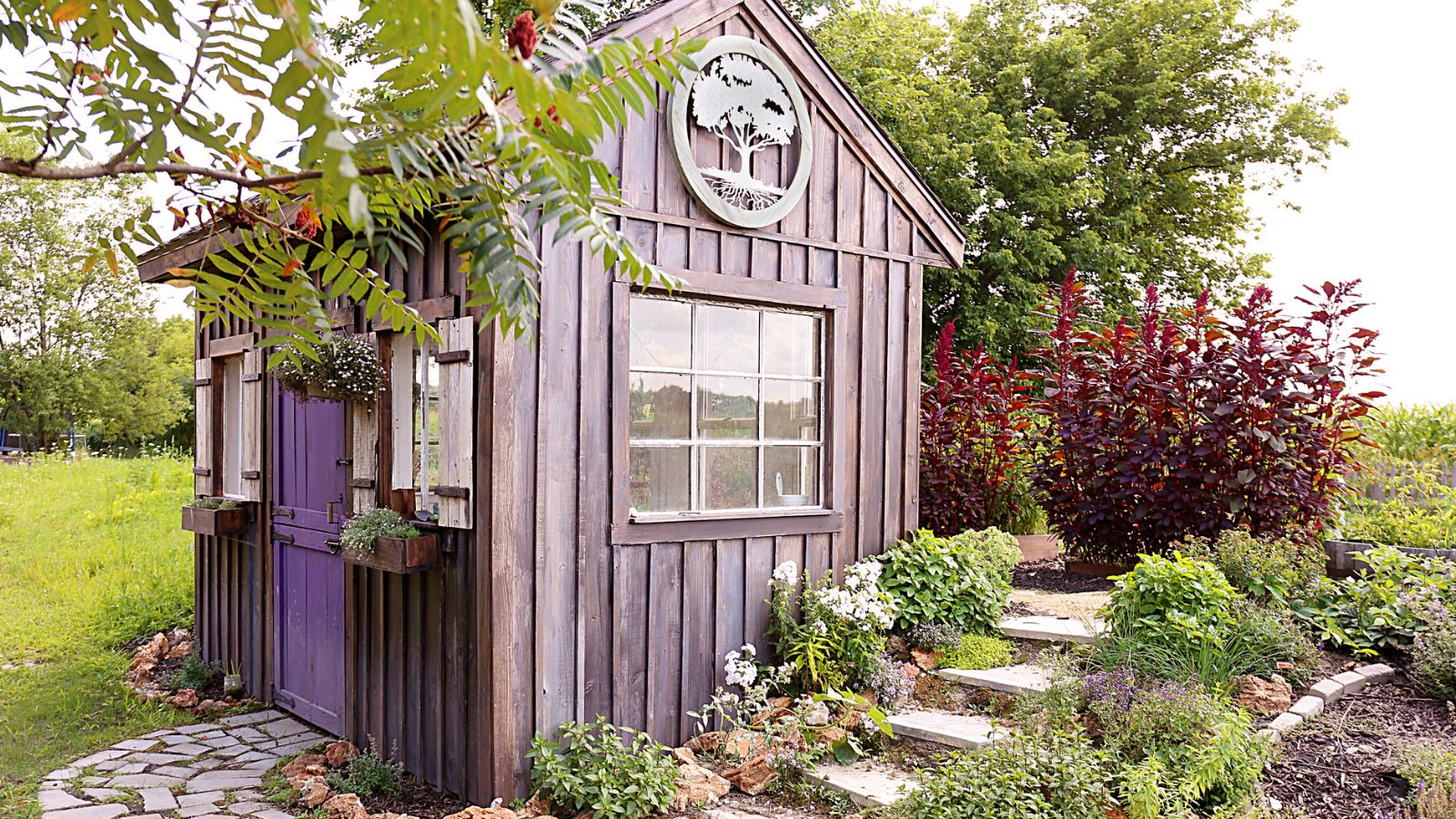
When you think about it, putting up a small shed feels like something that shouldn’t need approval. But in many cities, even the tiniest storage shed has to follow local rules. You might need a permit if it’s over a certain size, usually around 100 to 120 square feet. There may also be rules about how close it can be to property lines, fences, or trees.
Certain Types of Fencing Materials

Here’s something that a lot of people overlook, the kind of material your fence is made of. Some cities and neighborhoods ban specific types of fencing altogether. Barbed wire and electric fences are often not allowed in residential areas for obvious safety reasons.
Even chain-link fences are restricted in some places because they’re considered unattractive or too industrial-looking.
Pools Without Proper Fencing

Let’s talk about pools, because having one in your backyard comes with serious responsibility. Almost every state has laws requiring you to have a fence around your pool, and that fence usually has to meet specific safety standards. It needs to be tall enough, have a self-latching gate, and completely surround the pool area.
Chickens and Other Backyard Livestock

For sure, this is one trend that’s really taken off, and while the idea sounds charming and even useful, it’s not legal in every city. Some places ban backyard chickens entirely, especially roosters due to the noise. Others limit the number of hens you can keep or require permits and inspections for the coop.
Tree Removal Without Approval

This particular one catches a lot of people off guard, as just because a tree is on your property doesn’t always mean you can remove it. Many cities protect mature or native trees and require permits before you do any major cutting.
If a tree is near a sidewalk or power line, there may be even more restrictions. Some areas have heritage tree programs that protect trees based on age or size.
DIY Retaining Walls Without Approval

We can all agree that this seems minor, but it can cause serious problems when building your own retaining wall. A lot of people try to manage a slope or prevent erosion by stacking blocks or timbers themselves. But depending on where you live, building a retaining wall over a certain height (often around 3 to 4 feet) without a permit is illegal.
Illegal Outdoor Lighting
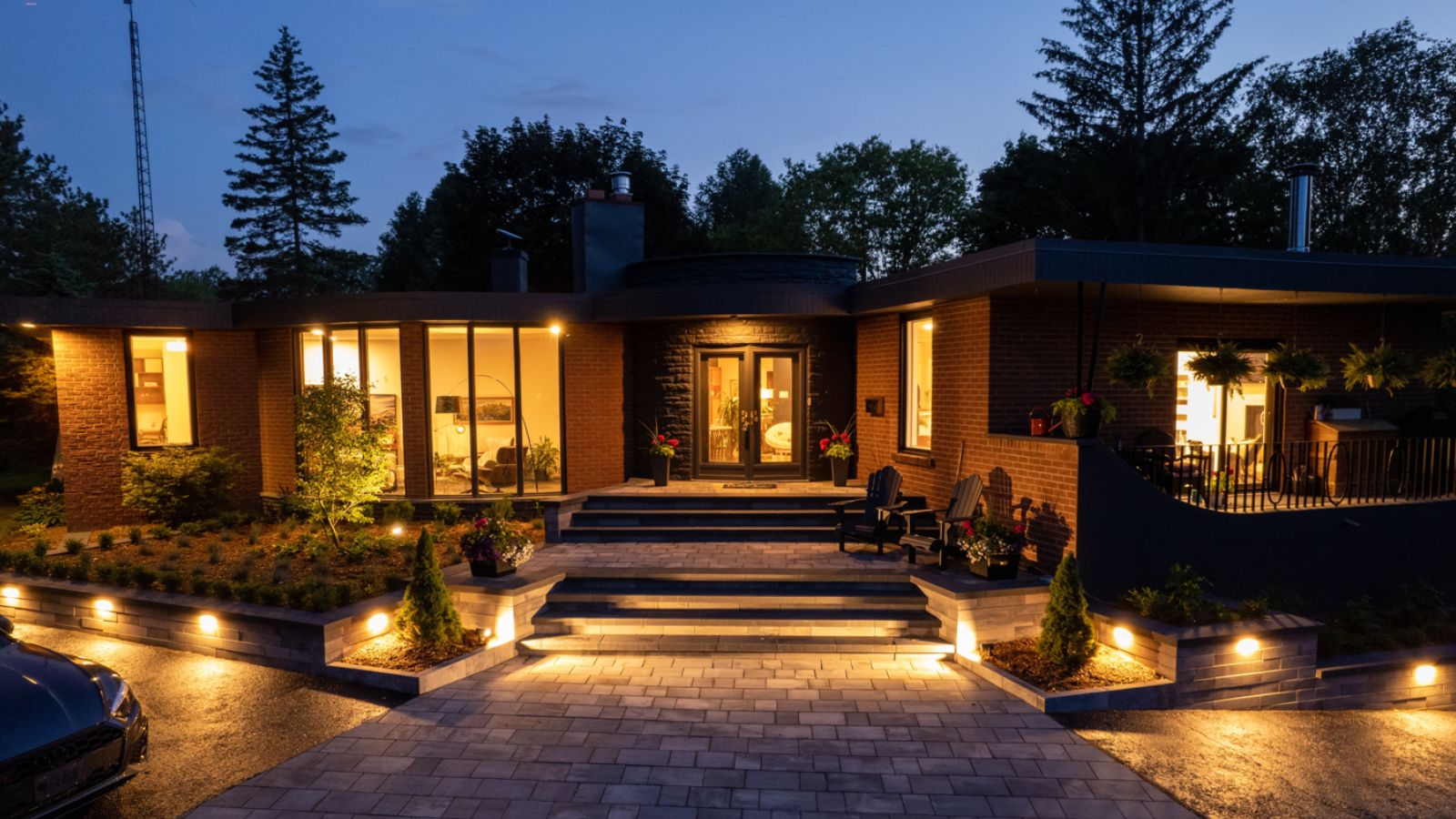
Let’s say you want to brighten things up a bit and install some landscape lighting, motion lights, or those trendy string lights overhead. Sounds simple, right? But in many areas, outdoor lighting is regulated more than people expect.
If your lights shine into a neighbor’s home or the street, that can be considered light pollution or even a safety issue.
Homemade Zip Lines or Play Structures

Yes, this might seem fun at first, but building a backyard zip line or oversized play structure is often illegal without permits and proper safety measures. Zip lines, even short ones, are considered ‘attractive nuisances,’ meaning they can pose a danger to children, even those who don’t live in your home.
Graywater Drainage Systems
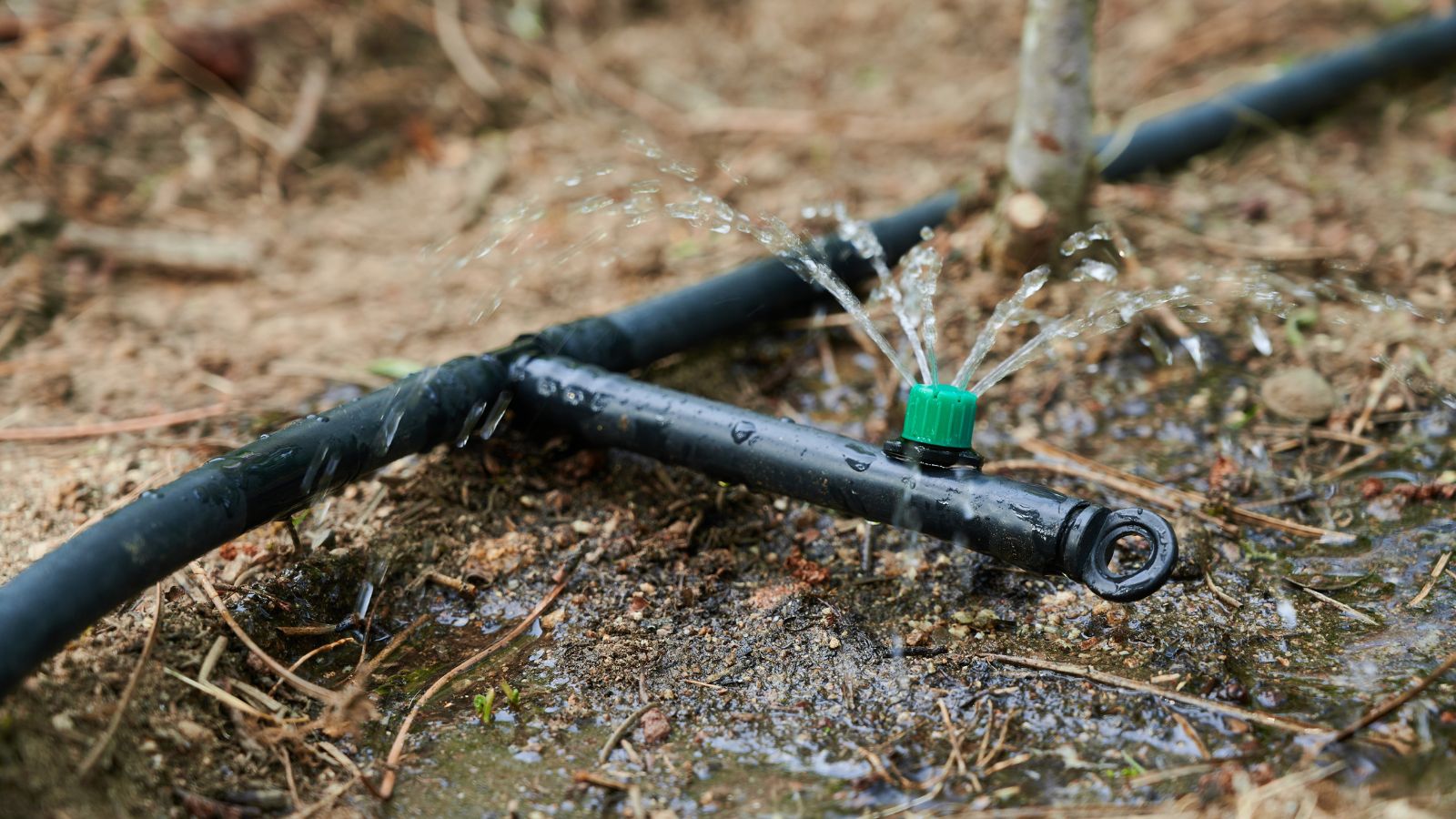
Let’s be honest, you might not have thought much about this one, but some homeowners use water from washing machines and showers to water plants and conserve resources. But graywater systems are regulated in many places and sometimes illegal without a permit. That’s because graywater can carry bacteria or chemicals that might be harmful if not handled properly.
Above-Ground Pools Without Permits

This one catches people off guard more often than you’d think, as most people assume that only in-ground pools need approval, but that’s not always the case. If your above-ground pool is a certain size, usually over 24 inches deep or a certain number of gallons, it might be treated like any other pool by your city or county.
Drainage Systems That Redirect Water
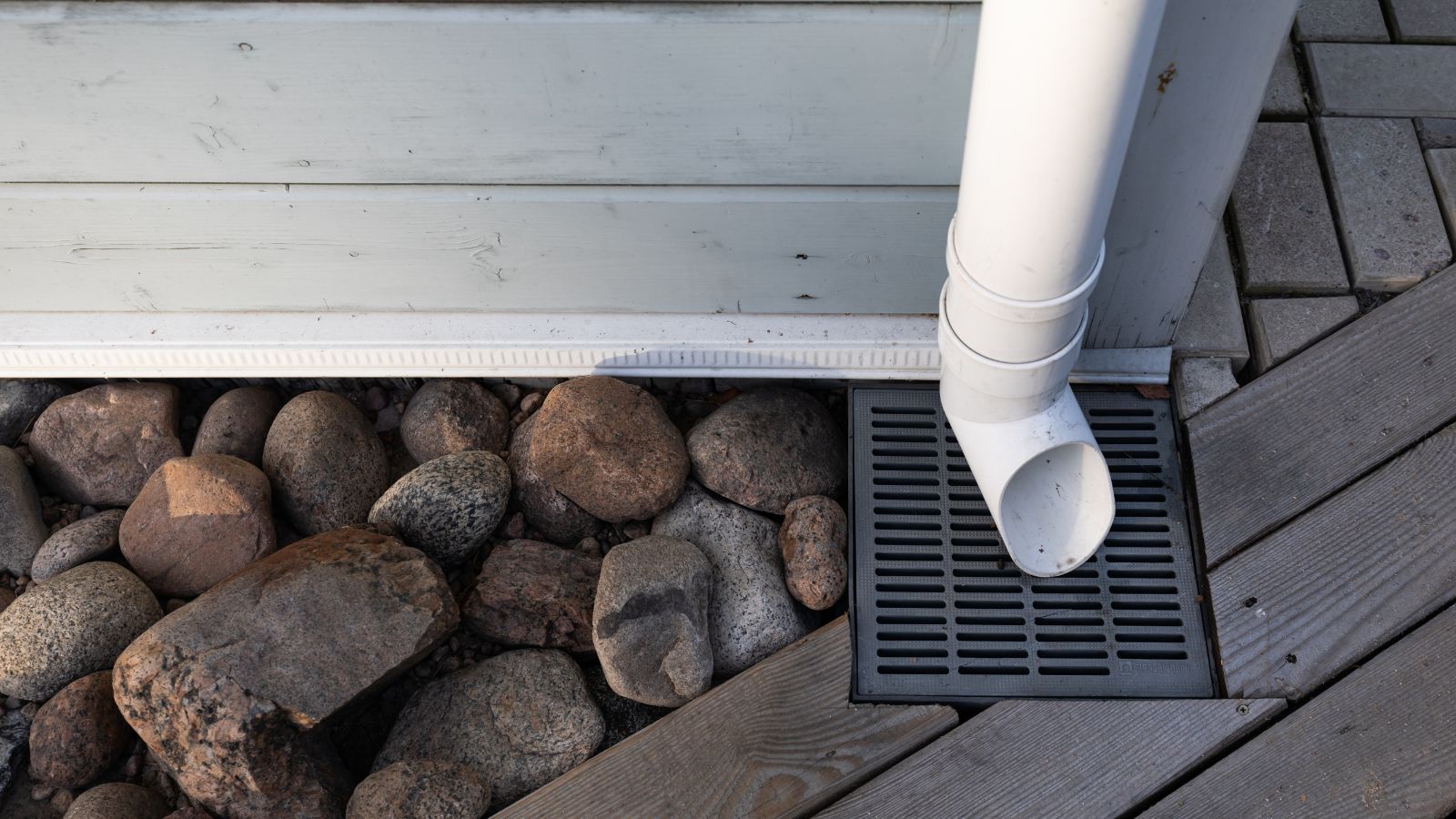
While this might seem helpful, redirecting water from your yard can go very wrong and end up in a neighbor’s garden or on a public street. Maybe you’re trying to get rid of rain runoff or water from a sump pump, but if you install a drainage pipe or ditch that causes water to collect or flood another property, you could be in legal trouble.
Outdoor Sound Systems or Loudspeakers

At first glance, putting in a sound system outside feels like a fun upgrade. But outdoor speakers can easily violate local noise ordinances, especially in close neighborhoods or after certain hours. Some cities have decibel limits, curfews, or outright bans on outdoor amplified sound.
Illegal Fireworks or Explosives

And finally, let’s talk about fireworks, because they’re a backyard tradition in many places, especially around July 4th. But more cities and counties are cracking down on them, even the small ones.
In drought-prone areas or crowded neighborhoods, personal fireworks are banned completely due to fire risk and noise concerns.