
Donating items you no longer need or use is a great way to help your community. However, not every item collecting dust in your home is suitable for donation, and recycling may be a better option. Here are 18 things you shouldn’t donate and what you should do instead.
Expired or Opened Food Items

Expired and open food items aren’t suitable donations for food banks and may contain mold and harmful bacteria. Due to safety protocols, most food banks can’t accept expired and opened foods, so it’s best to compost them or use them in a recipe if they’re still usable.
Used Mattresses

Used mattresses in good condition can be donated to charity, but after years of use, they’re often stained and worn out with noisy springs. Amerisleep notes that “most mattress materials are recyclable, even memory foam,” and that Earth911 and Bye Bye Mattress are great resources to help avoid them ending up in landfills.
Personal Care Items

Used personal care items, including soaps, scrubs, and razors, could spread bacteria and infections if they’re donated, and thrift stores won’t accept them. Donate unopened personal care items you haven’t used instead.
Car Seats

Most car seats expire between six and ten years from the date of manufacture, so seats you used for your children are likely unsuitable for donation and could cause injuries. It’s best to ask your local recycling centers if they can take car seats.
Old Tires

Tires generally need changing every ten years or 20,000 miles, but they shouldn’t be donated even if they’ve been used less than that. Improperly disposed tires will release significant toxic pollutants if burned, so take them to your local recycling center instead.
Baby Cribs with Drop Sides

Drop-side cribs were banned by the U.S. Consumer Product Safety Commission (CPSC) in 2011 after they were found to have caused suffocation in some infants. FindLaw notes that it’s “illegal to donate these cribs,” so it’s best to take them to a recycling center.
Chemical Waste

Chemical waste can’t be donated or disposed of in the trash or sewer system. To avoid dangerous pollutants entering the environment, they must be disposed of using the EHS Hazardous Waste Programs.
Stained or Torn Clothing

Donation centers and thrift stores require clothing and shoes to be in good condition, with no visible stains or tears. Damaged clothing isn’t suitable for donation, so it’s best to take them to your local recycling center.
Old Medications

The FDA warns that expired medications “can be less effective or risky due to a change in chemical composition or a decrease in strength.” Expired antibiotics can fail to treat infections, possibly leading to antibiotic resistance and more severe illnesses, so it’s best to dispose of them at safe disposal programs at your local pharmacy.
Old Paint

Paint pots can last around 10–15 years unopened, but after that, the paint tends to degrade and become unusable. Ensure the paint is dried and hardened before taking it to a recycling center or putting it in your regular trash curbside pickup.
Incomplete Puzzles

There’s nothing more frustrating than a puzzle set missing pieces. Donation centers and thrift stores check puzzles to ensure they’re complete, and incomplete boxes are discarded. Take your puzzles to recycling centers to avoid them being sent to landfills.
Broken or Non-Functional Electronics

Broken, non-functional electronics often cost more to repair than they’ll sell at thrift stores. The EPA recommends checking for recycling options at Call2Recycle, Earth911, and GreenerGadgets.
Old Computers

Depending on their age, old computers that have been sitting and collecting dust in your basement or loft can be donated. If they’re over ten years old, they might not be useful for charities, but local recycling centers or nonprofit organizations can recycle their parts.
Plush Toys

Old plush toys from your childhood or that your children have outgrown may not be suitable for donation, as they can harbor dust mites and be difficult to clean without damaging them. Donate them if they can be machine-washed, but if they can’t, they might be able to be used as pet toys.
Sharp Kitchen Items

Sharp kitchen items like knives need safe packaging to reduce the risk of injury for those handling them. Ask your local recycling center or city transfer station if they accept knives, or you could take them to a scrap metal facility.
Encyclopedias and Outdated Textbooks

Encyclopedias and outdated textbooks should only be donated if they are in a sought-after vintage set. Otherwise, they’ll likely sit on a shelf, taking up space, so it’s better to take them to a book recycling center.
Large Appliances in Disrepair
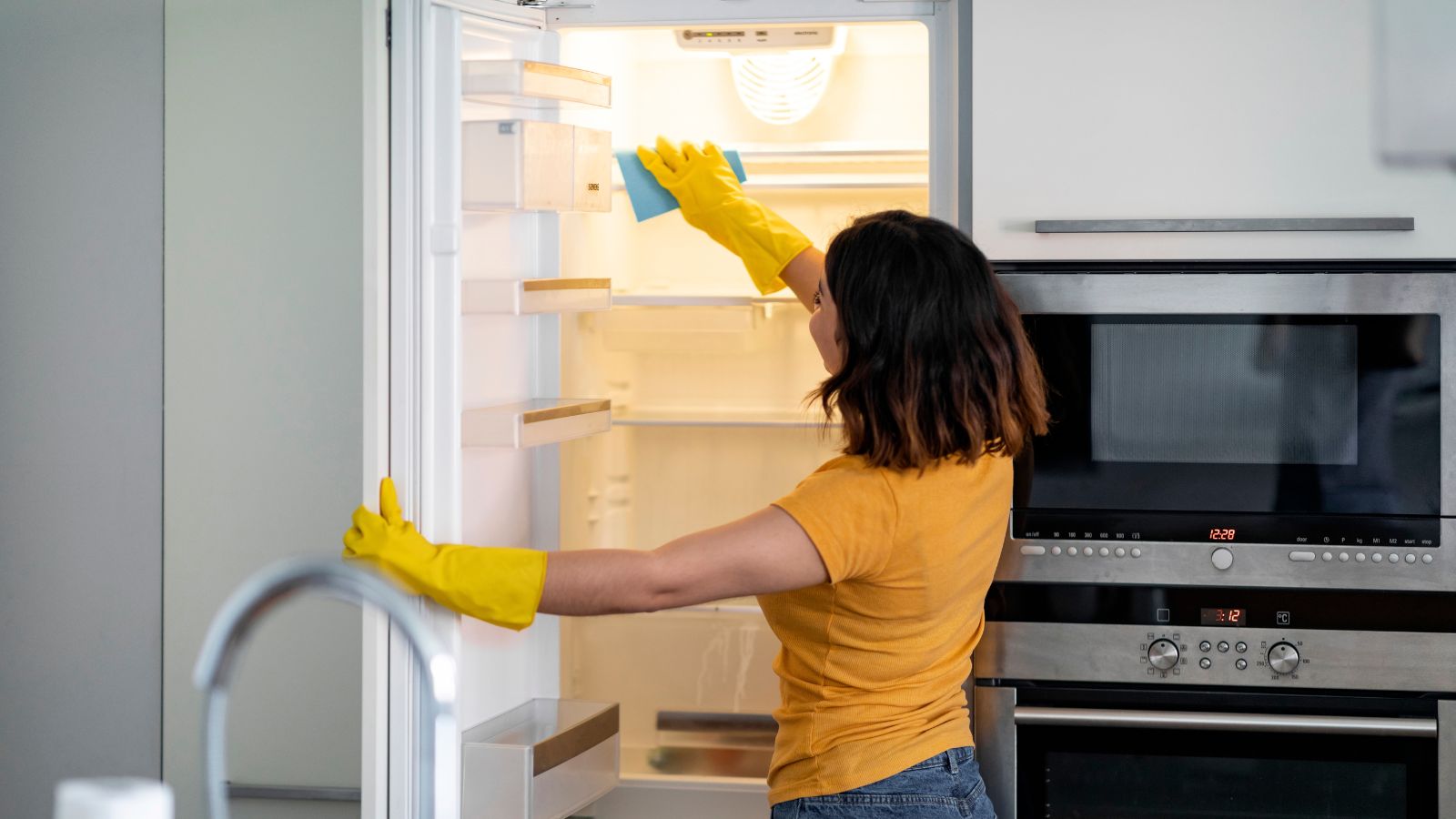
Old microwaves, fridges, and other large, broken appliances shouldn’t be donated. The cost of repairs may exceed their value, so it’s best to take them to a local trade-in program or recycling center.
Cosmetics and Fragrances

Old cosmetics and fragrances that have been sitting around your bedroom and bathroom for years aren’t suitable for donation. Even if unopened, they often degrade with age, so recycle them instead.
POPULAR POSTS
18 Backyard Features That Are Now Totally Illegal
14 Jobs That Love Hiring Retirees Because They Actually Show Up and Work
17 Innocent-Looking Items That TSA Might Take Away from You
Parts of this article were developed using AI assistance.