
Sheds are a bit like the junk drawers of your backyard – everything goes in, and nothing ever comes out. But that harmless pile of gear might be hiding some serious risks. Some items can break local laws, pose health hazards, or get you into legal trouble if you’re not careful. Here’s a look at what could be sitting in your shed right now, just waiting to cause problems.
Old Pesticides

You probably haven’t touched that bottle in years. But just because it’s still sealed doesn’t mean it’s safe to keep around. Many pesticides sold decades ago contain chemicals that are now banned. Holding onto them can be against federal or state regulations.
If a container leaks, it might contaminate the ground or water, which could lead to fines or worse. It’s not just a matter of housekeeping; it’s a potential liability. Check labels, look up ingredients, and dispose of anything questionable through your local hazardous waste program.
Gasoline Stored in the Wrong Container

Here’s something that could turn dangerous fast. Storing gasoline in anything other than an approved container is a huge fire hazard – and in some places, it’s illegal. That old milk jug or dented metal can might seem sturdy, but it’s not designed to handle gas fumes or pressure changes. One spark or a hot summer day could be all it takes to start a fire.
Unregistered ATVs or Dirt Bikes

Maybe you bought it off a neighbor or found it secondhand online. If your shed holds an unregistered ATV or dirt bike, you could run into legal trouble, even if you never ride it. If the VIN is missing or scratched off, that raises red flags. Law enforcement can seize unregistered vehicles if there’s any suspicion of theft or tampering.
Paint Cans That Have Been Sitting for Years

Let’s face it – nobody knows what’s in those half-empty cans anymore. Leftover paint can become a problem when it’s past its shelf life, especially if it contains lead or other banned substances. Some old formulas are considered hazardous waste and can’t legally be tossed in the trash. If the cans are rusty, bulging, or leaking, they can harm the environment and pose a health risk.
Chainsaws Without Safety Features

That beat-up chainsaw in the corner might not be up to today’s safety standards. Older models often lack chain brakes or other features now considered essential. Using them – or even storing them improperly – could be considered negligence, especially if someone gets hurt.
Propane Tanks That Are Out of Date

Not every propane tank is safe to use forever. Most have a stamped expiration date, and once they’re past it, they shouldn’t be refilled or stored. Many people don’t realize that expired tanks can leak, rust, or become unstable over time. If one of them explodes, the damage could be devastating, and you’d be on the hook.
You also can’t legally transport or exchange them at most refill stations if they’re out of date. Check the collar of your tank for a date, and don’t keep expired ones around.
Extension Cords Meant for Indoor Use

At first glance, a cord’s a cord. But if you’re using an indoor-rated extension cord in your shed, it’s a serious fire risk. These cords aren’t built to handle outdoor temperatures, humidity, or dust. The insulation can crack, wires can short, and if something catches fire, you’ll wish you’d spent the extra few bucks on a proper outdoor-rated one.
Bags of Old Fertilizer

Storing bags of lawn or garden fertilizer long-term might seem harmless, but it’s actually risky. Fertilizers can absorb moisture and clump, making them unstable, especially if they contain nitrates or other reactive compounds. They’ve even been used in homemade explosives, which has led to tighter regulations on how and where they can be stored.
Rodent Poison That’s Not Locked Away

It might seem like a smart way to keep critters out of your shed, but unsecured rodent poison can get you in trouble fast. Pets, kids, and even local wildlife can get into it if it’s not properly stored. That turns a pest control solution into a potential tragedy. In some places, specific types of rodenticides are restricted or banned due to their impact on birds of prey and other non-target animals.
Old Fireworks You Forgot About
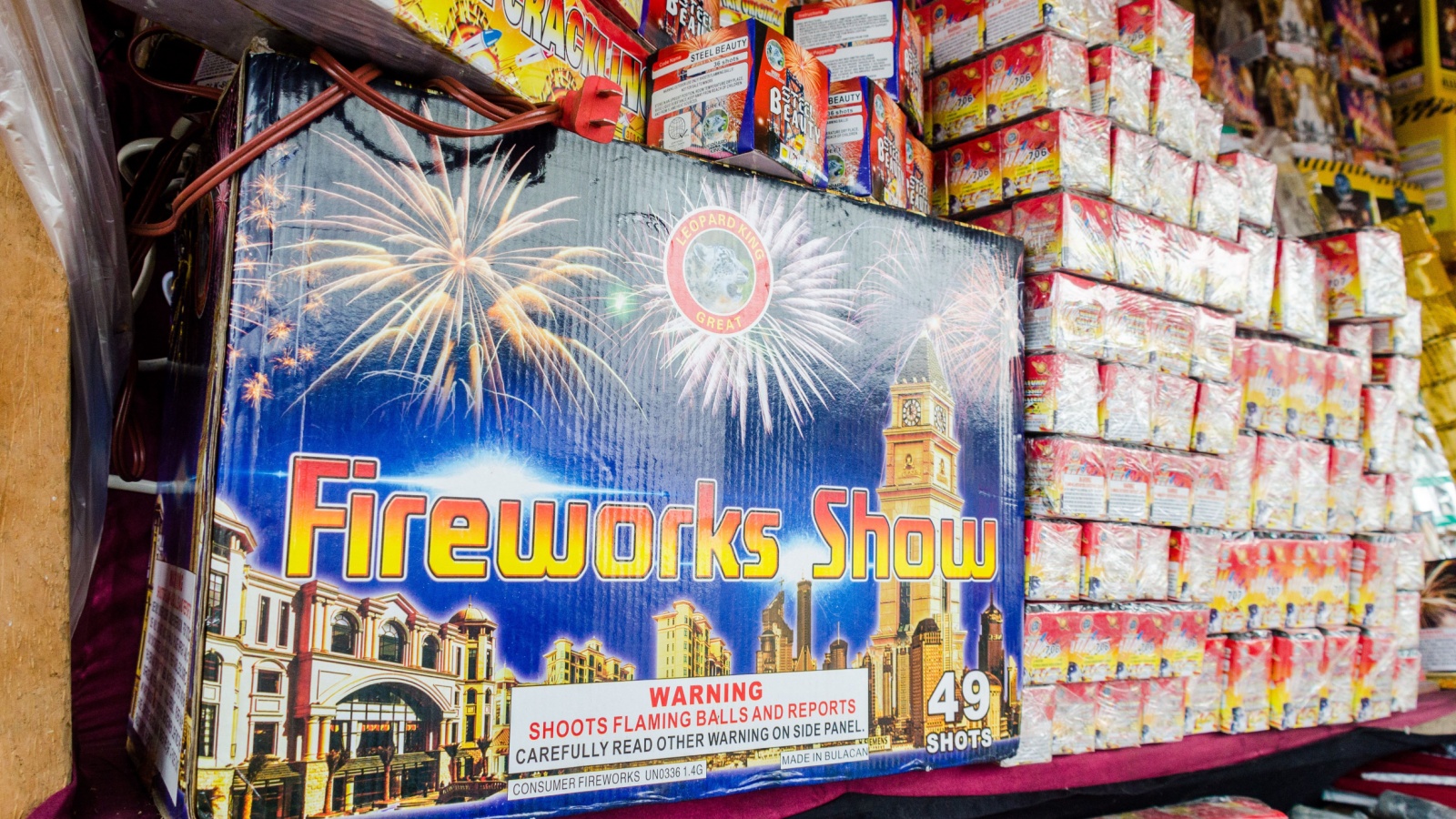
They probably ended up in the shed after a Fourth of July party. But fireworks don’t age well, and over time, they become unstable. In some cities or counties, even having fireworks without a permit is illegal, regardless of whether you plan to use them. If they’re expired, soggy, or stored in a plastic bag, it’s time to get rid of them properly.
Excessive Lumber or Pallets
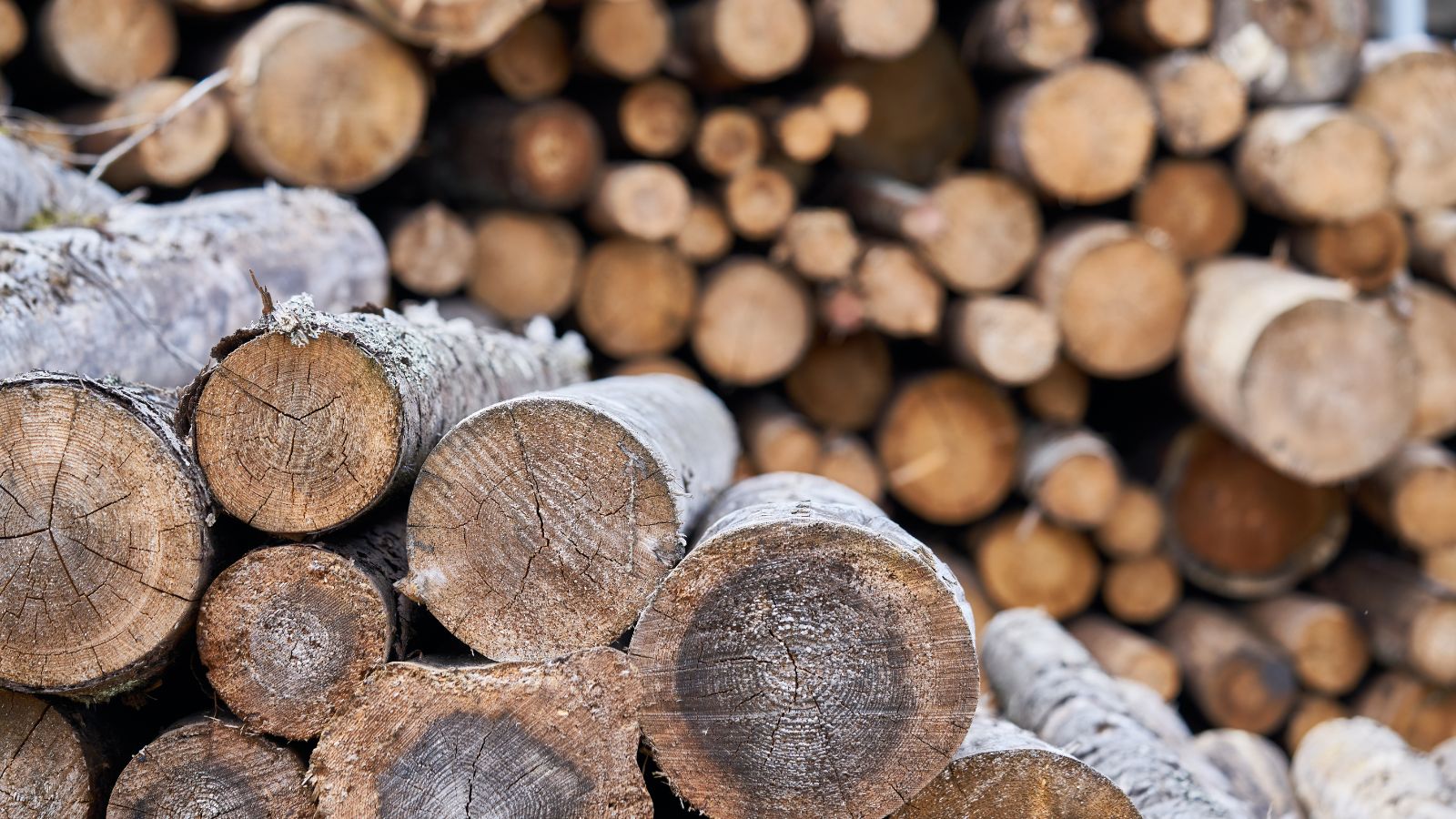
Wood piles can become a code violation if they’re too large, too close to a structure, or infested with pests. Rats, termites, and spiders love to nest in those stacks of scrap timber. And if your shed ever catches fire, that lumber turns it into an inferno.
Some municipalities limit how much untreated wood you can store on your property, especially near fences or buildings. Keep it off the ground, stack it neatly, and make sure you’re not hoarding more than you need.
Old Lawn Equipment That Leaks Oil

It’s tempting to shove broken mowers or weed whackers into the shed until you can fix them “someday.” But if those machines are leaking fluids, you could be causing more harm than you think. Oil and gas can seep into the ground, damage nearby plants, and pose environmental hazards.
Unlicensed Animal Traps

If you’ve ever tried to trap a raccoon or possum in your backyard, you may have picked up an animal trap without thinking twice. But some states require permits for certain types of traps, even if you’re using them on your own property. Improper use can lead to fines or animal cruelty charges.
Jugs of Mystery Liquid

Almost every shed has at least one container with a peeling label – or no label at all. These mystery liquids might be leftover cleaners, solvents, or something more hazardous. The problem is, once the label’s gone, you have no idea what you’re dealing with. That makes safe disposal nearly impossible, and if the container leaks, you could contaminate soil or groundwater.
Insecticides That Are Illegal in Your State
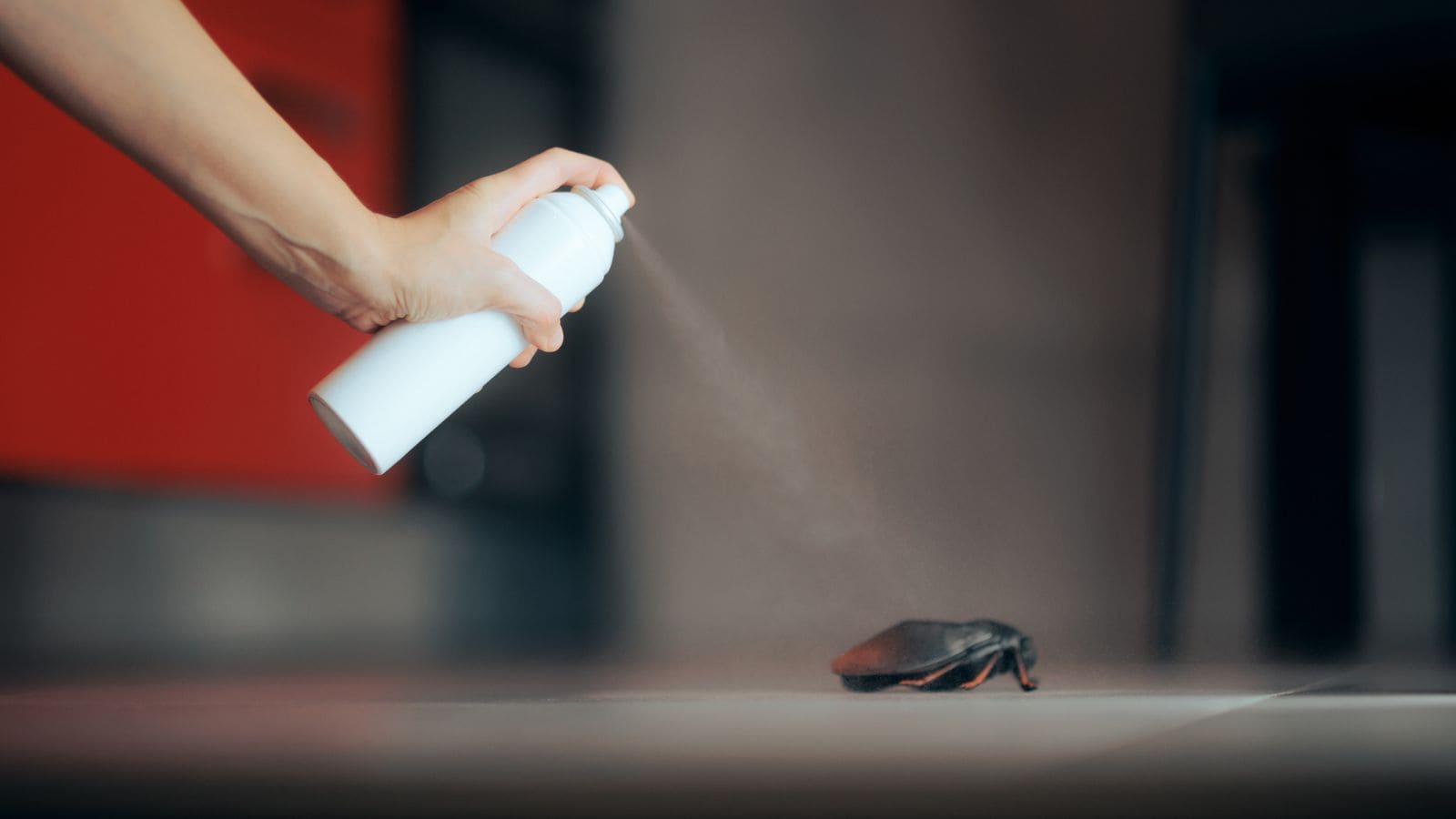
Some pest sprays that used to be sold everywhere are now banned in certain states. If you bought them before the ban took effect, you might not even realize you’re breaking the law by keeping them.
These products can pose serious health risks to kids, pets, and even adults if misused. Just having them stored improperly – say, without a secure lid or near a heat source – can be a code violation. Check what’s legal in your state and get rid of anything that’s not.
Expired Fire Extinguishers
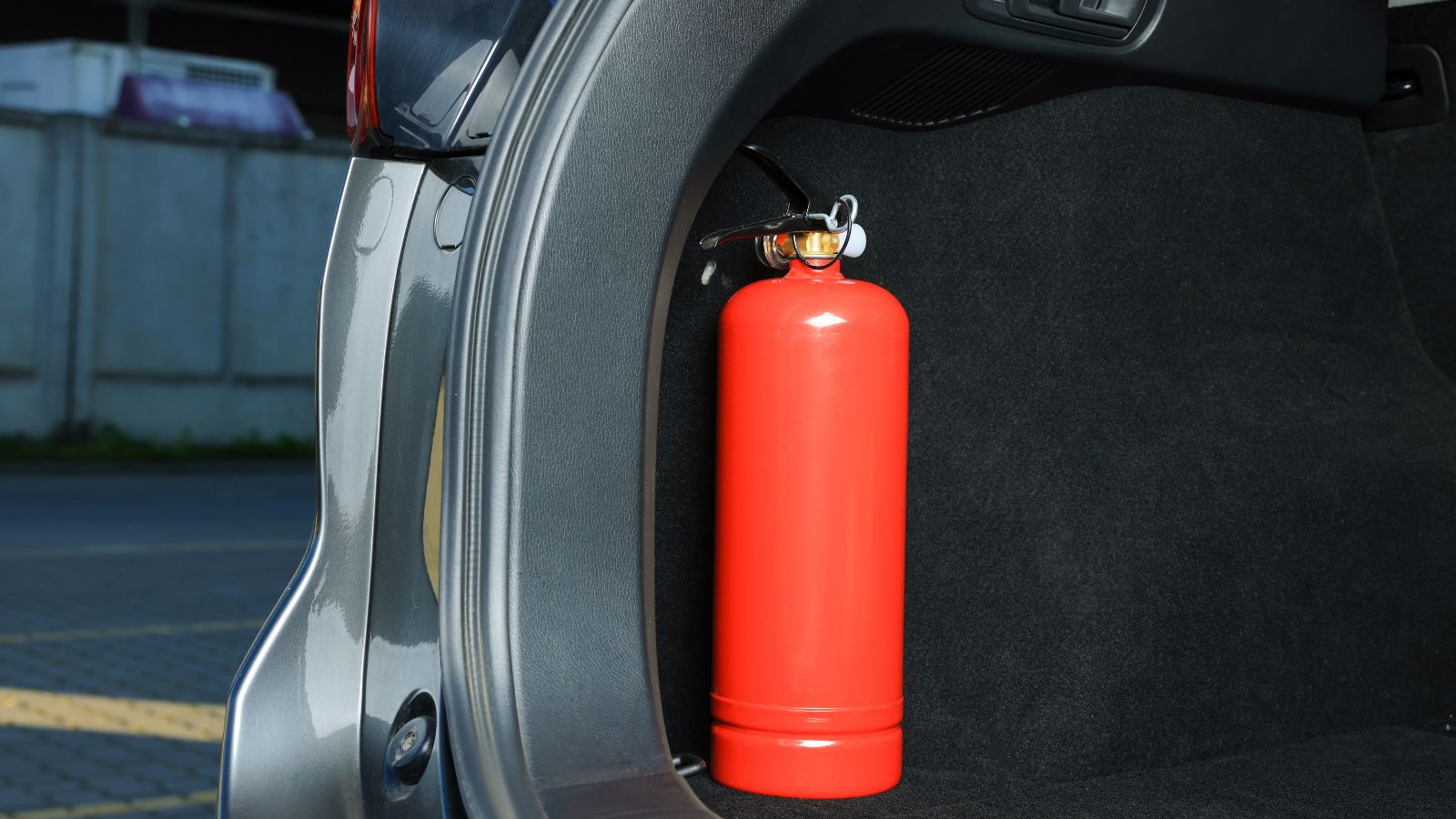
A fire extinguisher seems like a smart thing to keep in your shed – until you realize it’s expired. Many people don’t know these have a shelf life. Once the pressure drops or the chemicals inside settle, they’re basically useless. In an emergency, that false sense of security could cost you.
POPULAR POSTS
18 Backyard Features That Are Now Totally Illegal
14 Jobs That Love Hiring Retirees Because They Actually Show Up and Work
17 Innocent-Looking Items That TSA Might Take Away from You
This article may contain AI-assisted content that has been reviewed and edited by our editors to ensure quality and accuracy.