
At some point, people who’ve lived through enough decades just stop stressing over stuff that used to seem like a big deal. Older generations, especially those born during the baby boom era, have figured out that life is too short to worry about every little thing. They’ve let go of outdated expectations and silly social rules – and they’re better for it.
If they can move on, maybe it’s time younger folks do the same – and here’s 16 things that are ready to go.
Ironing Every Piece of Clothing

Crisp, wrinkle-free clothes used to be a badge of honor, especially for work or church. Then, at some point, people realized ironing is just not worth the time unless it’s a for special occasion. Most have swapped out high-maintenance fabrics for wrinkle-resistant ones, or they just toss things in the dryer for a few minutes. Life’s too short to chase perfect creases.
Keeping Fine China for Special Occasions

For decades, cabinets filled with fancy china were a common sight in American homes. Often gifts or passed down through families, these dishes only came out for holidays or formal dinners.
Over time, that tradition lost its charm, as more folks started using regular plates for everything, realizing it doesn’t make sense to keep “the good stuff” locked away. Enjoying it now matters more than preserving it for a someday that might not come.
Caring What the Neighbors Think

There used to be real pressure to keep up appearances in the neighborhood. Lawns had to be manicured, cars had to look clean, and kids had to behave perfectly. As people age, though, many stop worrying so much about what others might say.
They’ve figured out that judgmental neighbors aren’t worth the stress. Prioritizing comfort and peace over outside opinions feels a lot better in the long run.
Having a Full Set of Matching Furniture
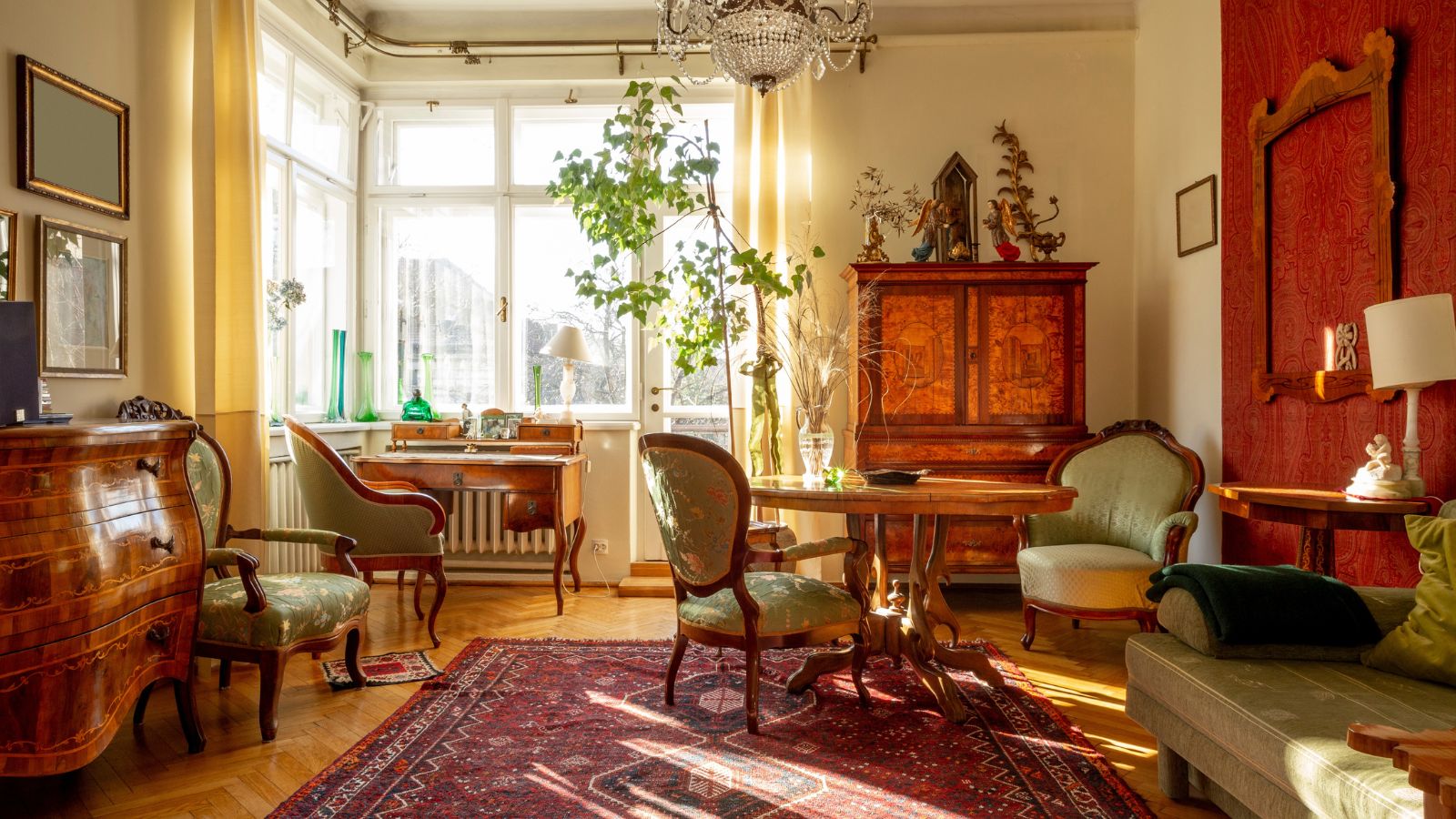
A perfectly coordinated living room used to be a sign that someone had “made it.” Every piece matched, often bought as a set, and it all looked like a furniture showroom. Nowadays that mindset has shifted. Older adults now mix and match whatever works best for their space, budget, or comfort. Function beats style, especially when you’ve learned not to fuss over little things.
Working Overtime to Prove a Point

Clocking extra hours just to impress a boss or chase a promotion doesn’t hold the same appeal anymore. A lot of older workers have seen that work will always be there, but time with family or taking care of health won’t wait. Younger folks could benefit from seeing that there’s more to life than work emails and late nights.
Always Having a Spotless House

Maintaining a perfectly clean home can become an exhausting chore, especially when visitors are expected. In earlier decades, spotless homes were seen as a reflection of character, especially for women. Yet who cares if the kitchen isn’t sparkling or the laundry is piled up? Guests come to see you, not your floors.
Buying a New Car Every Few Years

Trading in your car for the latest model was a way to show financial success or keep up with neighbors. Eventually, many recognized that paying off a car and driving it until it dies is a lot smarter.
Modern cars last longer, and depreciation hits new ones hard. Mature drivers now tend to stick with what works rather than chasing the next flashy thing – a mindset that saves money and reduces unnecessary stress.
Always Wearing Makeup or Dressing Up

Looking presentable used to mean full makeup, styled hair, and proper attire every single day. However, that mindset has faded for a lot of people over 60, who’ve gotten comfortable with going out in casual clothes and bare faces. Feeling good in your skin matters a lot more than chasing someone else’s idea of what “put together” should look like.
Saving Every Plastic Bag and Container

It was common in many homes to have a drawer full of used bags and a cupboard crammed with empty margarine tubs – saved “just in case” they were needed. At some point, people realized it’s not practical to keep hoarding these things.
Most of them never get used, and they just add to household clutter. A few reusable containers are handy, sure, but keeping hundreds isn’t doing anyone any favors.
Sending Holiday Cards to Everyone

Writing, signing, and mailing dozens of holiday cards used to be an annual ritual. Plenty of older people have stopped feeling obligated to send one to every distant cousin, and social media, texts, and calls have replaced that tradition. The message still matters, but the method has changed. Spending hours and money on cards and stamps doesn’t appeal anymore.
Holding Onto Every Single Keepsake

Boxes of old birthday cards, school projects, and souvenirs can pile up quickly over the years. Sentimental value is real, but eventually, keeping everything becomes more burden than joy. Downsizing becomes a reality, and so does the understanding that memories don’t live in clutter, so keep a few meaningful things and let the rest go.
Trying to Stay Up on Every Trend

Fashion, slang, gadgets – there’s always something new to keep up with, and that pressure can be exhausting. These days, many older adults have simply stopped trying, wearing what’s comfortable, using what works, and ignoring what doesn’t interest them.
Trends come and go, but being true to yourself sticks around. Chasing the latest thing just to fit in isn’t worth the time or money, and they know it.
Worrying About Having the “Perfect” Body

Media used to push the idea that aging meant fighting tooth and nail to stay young-looking and slim. Now, many in their 60s and 70s have embraced a more realistic outlook. They prioritize health over aesthetics and are done obsessing over wrinkles or waistlines. The pressure to fit into jeans from twenty years ago has faded.
Rushing Through Life’s Milestones

Get the degree, get the job, get married, have kids – older generations followed these timelines closely. Yet in recent years, many have stopped expecting life to follow a strict schedule – they’ve seen that happiness doesn’t always stick to a calendar. Life unfolds in its own way, and there’s no prize for getting through it faster.
Pretending to Like Things They Don’t

Saying yes to every invitation, pretending to enjoy hobbies, or going along with plans just to avoid offending someone was common in the past. As they’ve gotten older, many people have stopped pretending and appreciated that there’s nothing wrong with liking what you like and skipping what you don’t. Honesty like that brings peace, not conflict.
Stressing About Having a Big Social Circle

Being popular used to feel important, though many older adults now see that a handful of close, meaningful relationships matter more than a long list of acquaintances. As time goes on, social energy becomes a limited resource. Spending it wisely starts to matter more than spreading it thin. They’ve learned to focus on people who truly add value to their lives instead of trying to impress a crowd.
POPULAR POSTS
18 Backyard Features That Are Now Totally Illegal
14 Jobs That Love Hiring Retirees Because They Actually Show Up and Work
17 Innocent-Looking Items That TSA Might Take Away from You
Parts of this article were developed using AI assistance.