
In the past few decades, travel has become much easier than ever before, and most countries remain ready to welcome tourists with open arms. However, that’s not the case in all places anymore. If you’ve got these destinations on your bucket list, you might need to rethink your plans.
Bhutan

This tiny Himalayan kingdom has never been big on mass tourism, but now it’s even harder to visit. Bhutan charges visitors a hefty “Sustainable Development Fee” of $100 per day, designed to limit the number of tourists and protect its pristine environment. The country values quality over quantity when it comes to visitors, making it an exclusive but expensive destination.
Japan

While Japan remains open to most travelers, it has quietly tightened rules in some areas. Popular destinations like Kyoto and Mt. Fuji have started cracking down on overcrowding, with new restrictions on tour groups and stricter rules in residential neighborhoods. Some spots are even considering entry fees to curb overtourism.
Venice, Italy

After years of struggling with overwhelming crowds, Venice has started implementing tourist restrictions. In 2024, the city introduced a daily entry fee for visitors who aren’t staying overnight, hoping to reduce congestion. Locals have long pushed for tougher regulations, and this is just the beginning of Venice’s efforts to control tourism.
Bali, Indonesia

Tourists flock to Bali for its beaches and laid-back vibe, but some are wearing out their welcome. The island has cracked down on misbehaving visitors, introducing stricter visa rules and even blacklisting foreigners who disrespect local customs.
The government has also proposed a new tourism tax to help manage the growing number of visitors and protect Bali’s environment.
Amsterdam, Netherlands

The Dutch capital has had enough of rowdy tourists. Amsterdam has launched a major campaign to discourage certain types of travelers, specifically, those coming for drugs and wild nightlife. The city has also restricted short-term rentals, raised tourist taxes, and even considered banning visitors from cannabis cafés.
Thailand
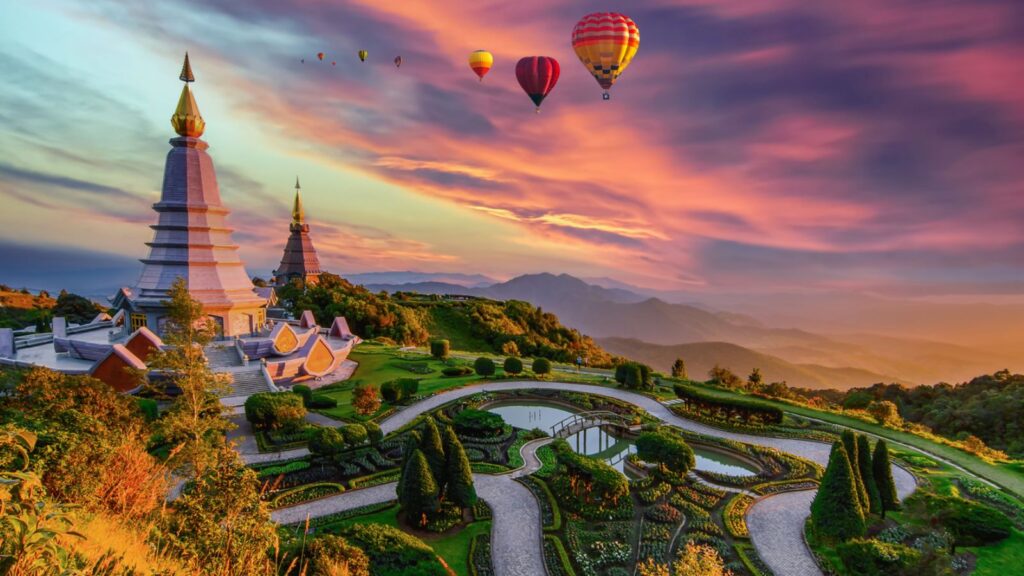
Thailand has always been a backpacker’s paradise, but new rules are making it harder for certain tourists to stay long-term. The country has introduced stricter visa requirements and has started cracking down on foreign digital nomads working illegally. Some islands, like Maya Bay, have also been temporarily closed to tourists to allow nature to recover from over-tourism.
New Zealand

Known for its breathtaking landscapes, New Zealand is now taking steps to protect them. The country has introduced a new international visitor tax and tightened visa requirements for certain travelers. Some areas, like Milford Sound, are considering limiting visitor numbers to prevent damage to fragile ecosystems.
Norway

Fjords, northern lights, and stunning landscapes have made Norway a popular destination, but the government is growing concerned about overcrowding. Some towns, particularly those along cruise ship routes, are considering visitor caps. Locals have also pushed for new tourism taxes to help manage the influx of travelers.
Hawaii, USA
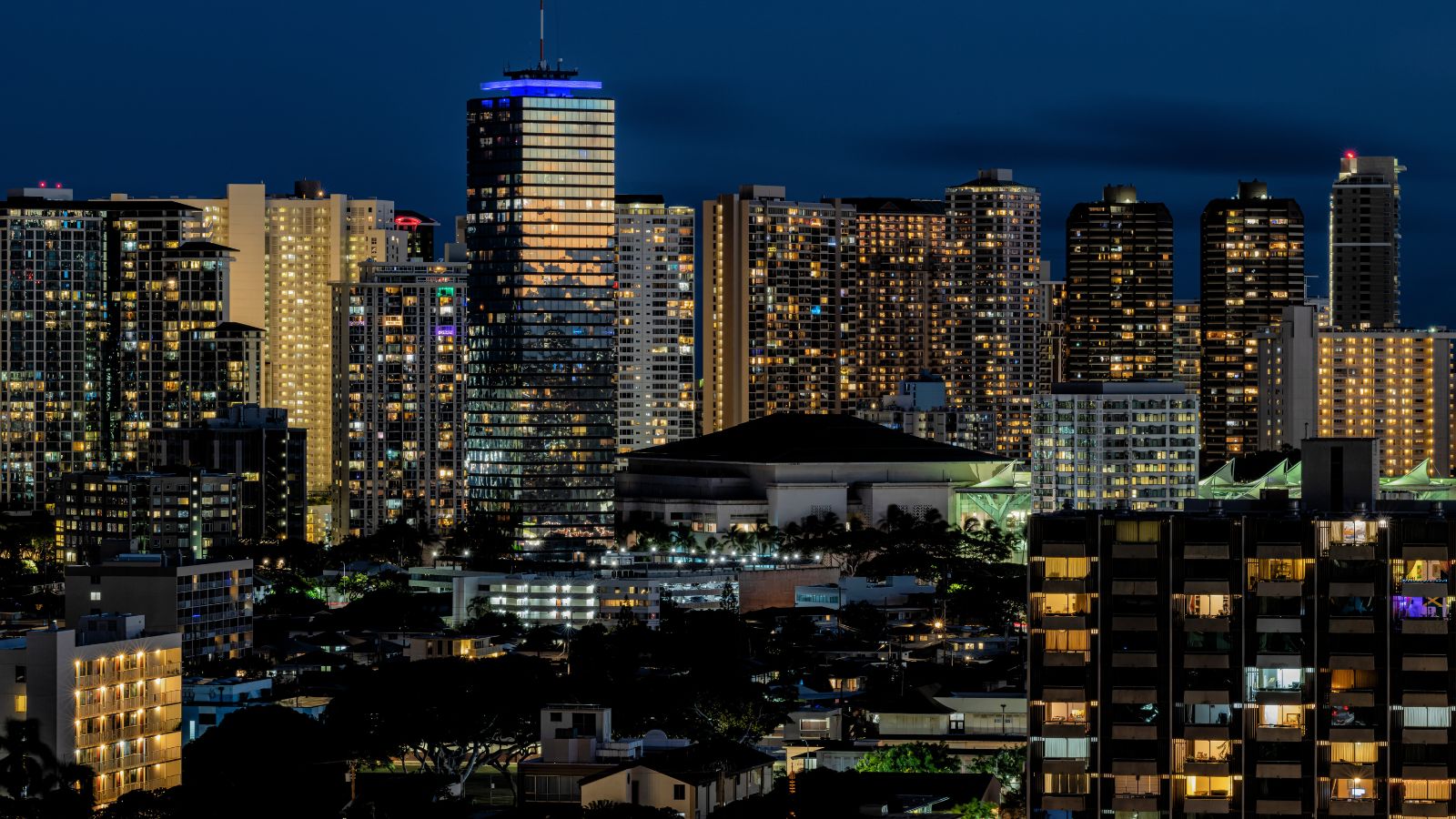
Even within the U.S., Hawaii is tightening its tourism policies. The state has introduced new fees for visiting certain natural areas, and there’s growing support for further restrictions to protect the islands’ fragile ecosystems. Some beaches and hiking trails have already been temporarily closed due to overuse.
Machu Picchu, Peru

One of the world’s most famous archaeological sites, Machu Picchu is struggling with overcrowding. In response, Peru has imposed strict daily visitor limits and requires tourists to visit with a guide. Authorities are also considering further restrictions to protect the ruins, as too much foot traffic is causing long-term damage to the site.
Santorini, Greece

This tiny island has become overwhelmed with tourists, particularly from cruise ships. As a result, Greece has imposed daily visitor limits for Santorini, restricting the number of arrivals per day. The government is also working on new rules to prevent overcrowding during peak travel seasons.
South Korea
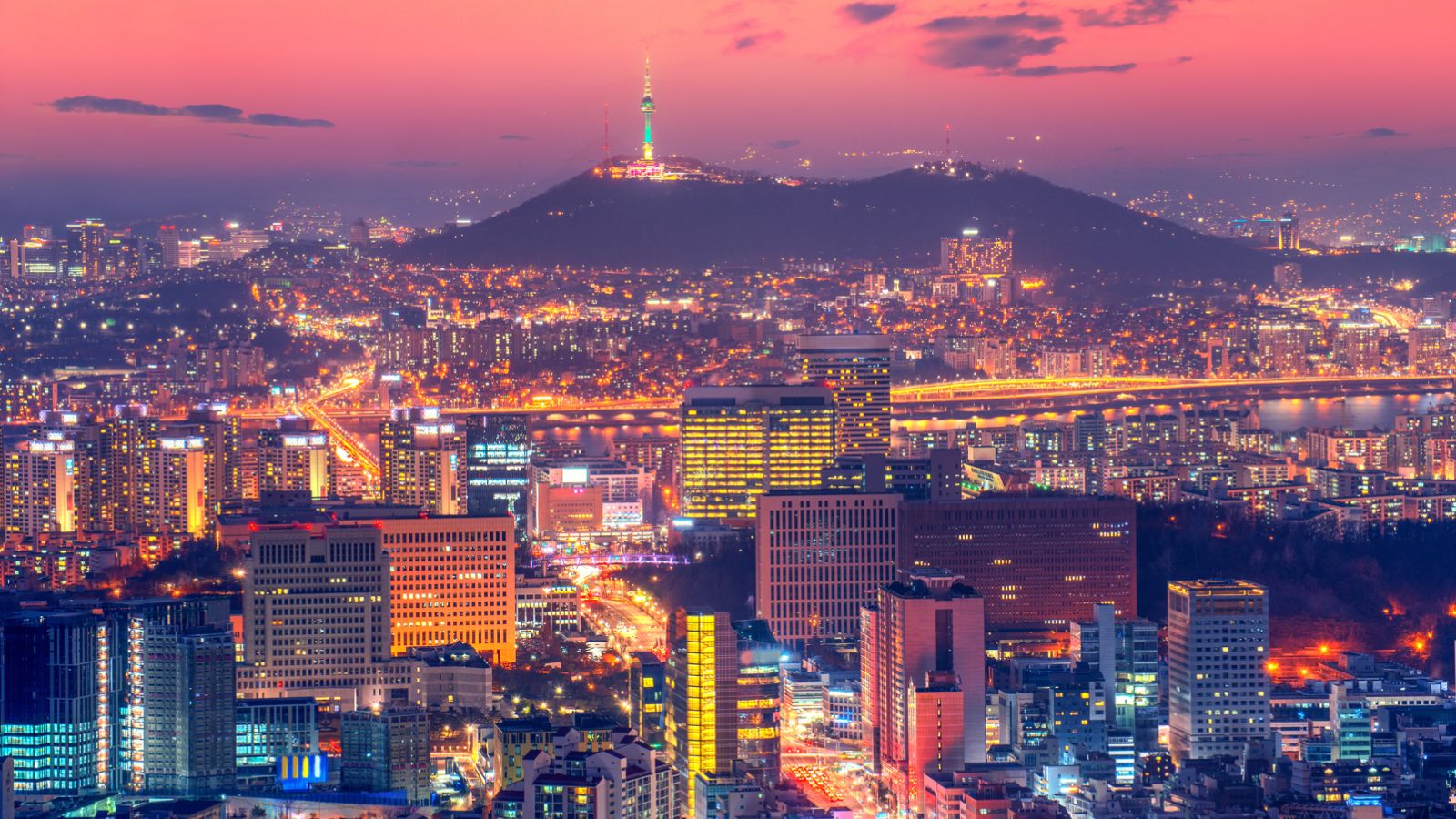
Seoul and other major cities in South Korea are starting to crack down on illegal short-term rentals and overcrowding in popular tourist areas. The government has also announced new measures to prevent excessive tourism in certain neighborhoods, particularly in places where locals have complained about noise and disruption.
Barcelona, Spain

Spain’s most-visited city has been fighting overtourism for years, and now, it’s taking stronger action. Barcelona has placed strict limits on Airbnb rentals, raised tourist taxes, and is working on reducing cruise ship arrivals. Some areas are considering even tighter restrictions to keep visitor numbers under control. If tourism keeps growing, more bans could be on the way.
Seychelles

The stunning islands of Seychelles are limiting tourism to protect their fragile ecosystems. Authorities have put a cap on the number of new hotels being built and are focusing on attracting high-spending tourists rather than budget travelers. This strategy helps preserve the islands’ natural beauty while preventing mass tourism from overwhelming local resources.
Antarctica

Technically not a country, but still worth mentioning – Antarctica is becoming noticeably harder to visit. Environmental concerns have led to tighter regulations on tourism, with restrictions on the number of visitors allowed at certain sites. Cruise ships face increasing limitations, and some areas may soon be completely off-limits to protect delicate ecosystems.
YOU MIGHT ALSO LIKE:
16 Countries Where American Tourists Aren’t Exactly Welcome
20 High-Paying Careers That Desperately Need Workers – But Nobody Wants to Do Them
18 Useless Features on Cars That Jack Up the Price for No Reason
Parts of this article were developed using AI assistance.