
Safety isn’t just about avoiding crime. It also means having strong healthcare, low accident rates, reliable emergency services, and communities that look out for one another. Some states go above and beyond when it comes to public safety, and that makes a big difference in day-to-day life.
If you’re raising a family, retiring, or just looking for peace of mind, these states stand out as the safest places to call home in the United States.
1. Vermont
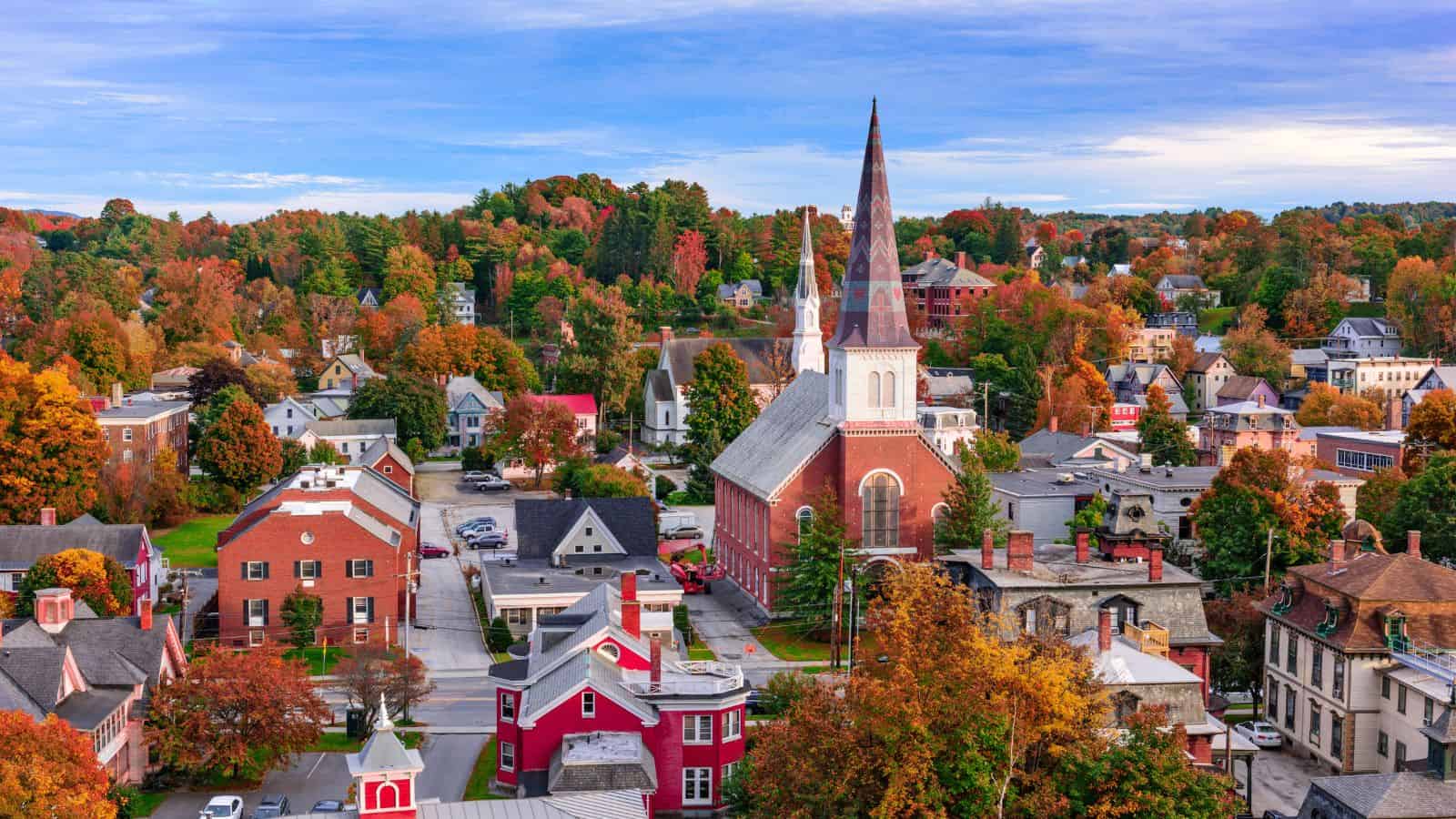
Small but mighty, Vermont consistently ranks at the top for safety, and for good reason. It has the second-lowest violent crime rate in the country, according to FBI data, and property crime is just as low.
Residents enjoy strong healthcare access and tight-knit communities that prioritize well-being. The mix of small-town charm and responsible governance keeps Vermont one of the best places to live in America.
2. Maine

Living in Maine means being surrounded by some of the safest neighborhoods in the country. Violent crime here is almost nonexistent, and the property crime rate remains well below the national average.
This state also has a strong focus on public health, with excellent mental health resources and high vaccination rates.
3. New Hampshire

Clean streets, friendly towns, and strong public institutions make New Hampshire a standout when it comes to safety. The state reports one of the lowest homicide rates in the U.S., and its overall violent crime numbers are among the lowest as well.
Schools are safe, and police-community relations are generally strong. All of this contributes to a secure environment for people of all ages.
4. Massachusetts

Some of its cities may see higher numbers, but the state as a whole scores very well on key safety indicators. Massachusetts has some of the best healthcare access in the country, boosting its overall safety ranking. Crime rates have been steadily dropping, especially in smaller towns. With high-quality public services, residents here enjoy a strong sense of stability and security.
5. Rhode Island

Rhode Island may be the smallest state, but it’s big on safety. Violent crime is comfortably below the national average, and the property crime rate continues to trend downward. Coastal towns are especially well-patrolled, and the state has made large investments in fire safety and flood preparedness.
6. Minnesota
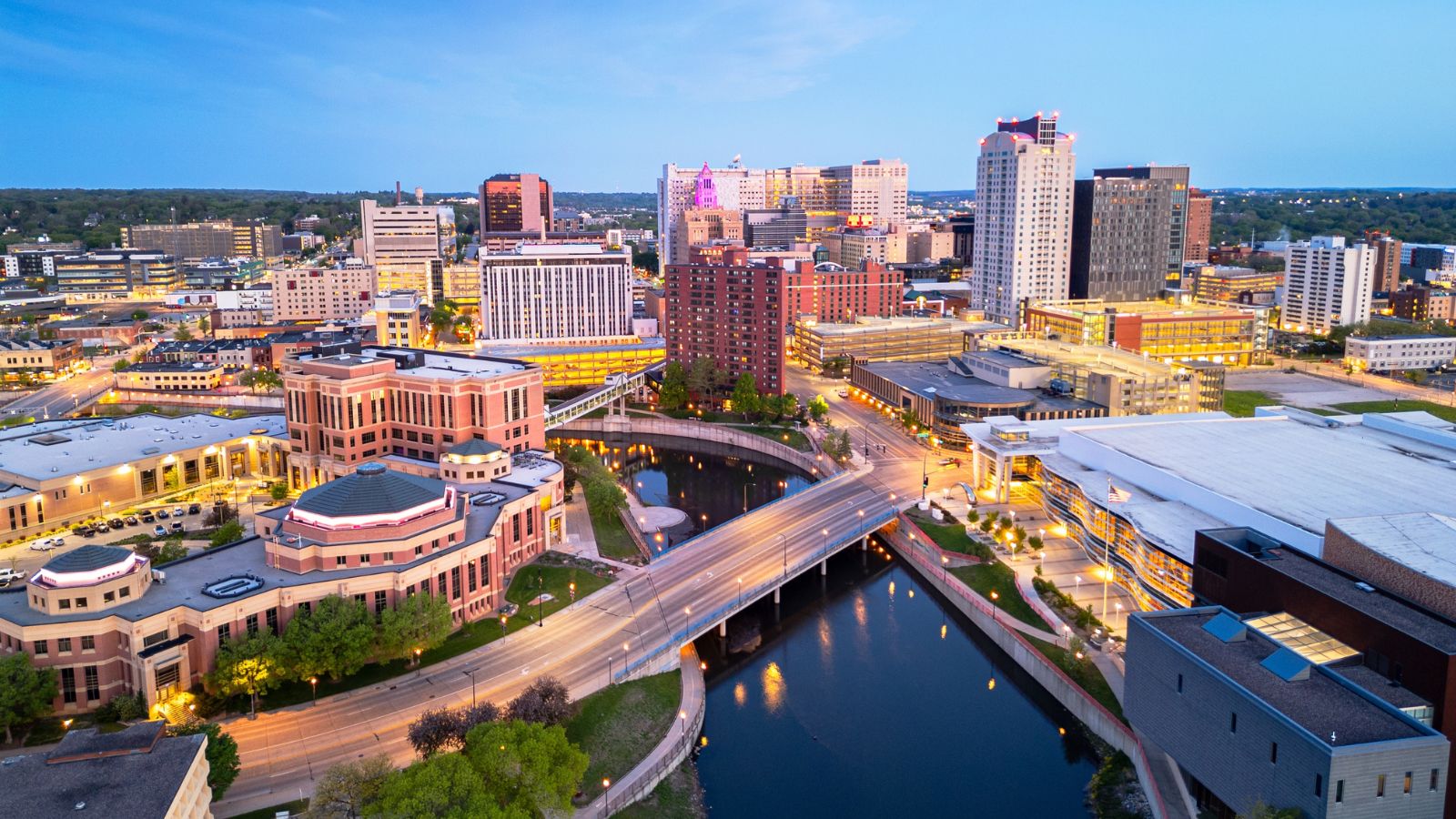
Midwestern values and a strong sense of community go a long way in Minnesota. This state offers one of the lowest overall crime rates in the country, along with excellent healthcare services and a strong education system. Even in urban areas, community programs and proactive policing contribute to a safer daily experience for residents.
7. Utah

With its wide open spaces and strong community ties, Utah ranks high in both safety and quality of life. Utah sees very low rates of crime, and public health initiatives are well-funded and effective.
Utah also has some of the nation’s lowest rates of drug overdoses and youth violence. Public safety training and emergency preparedness help communities stay ready for everything from wildfires to winter storms.
8. Connecticut

Connecticut combines strong public policy with well-funded healthcare and education systems, creating an environment where safety comes first. Crime has dropped significantly over the past decade, and many towns boast near-zero violent crime statistics. The state also has excellent hospital access, and emergency response times are among the fastest in the country.
9. Washington

People in Washington benefit from a balanced approach to public safety that includes both prevention and response. Washington is known for its investment in mental health services, which help reduce crime and support communities.
Natural disaster preparedness, especially for wildfires and earthquakes, is a high priority here. No wonder Washington stands out as a safe place to live and work.
10. Hawaii

Island life isn’t just relaxing – it’s also pretty safe. Hawaii reports some of the lowest violent crime numbers in the country. This state also has excellent healthcare facilities, and residents tend to live longer, healthier lives than the national average. A thriving tourism industry funds strong public safety services, which means locals benefit as much as visitors.
11. Oregon
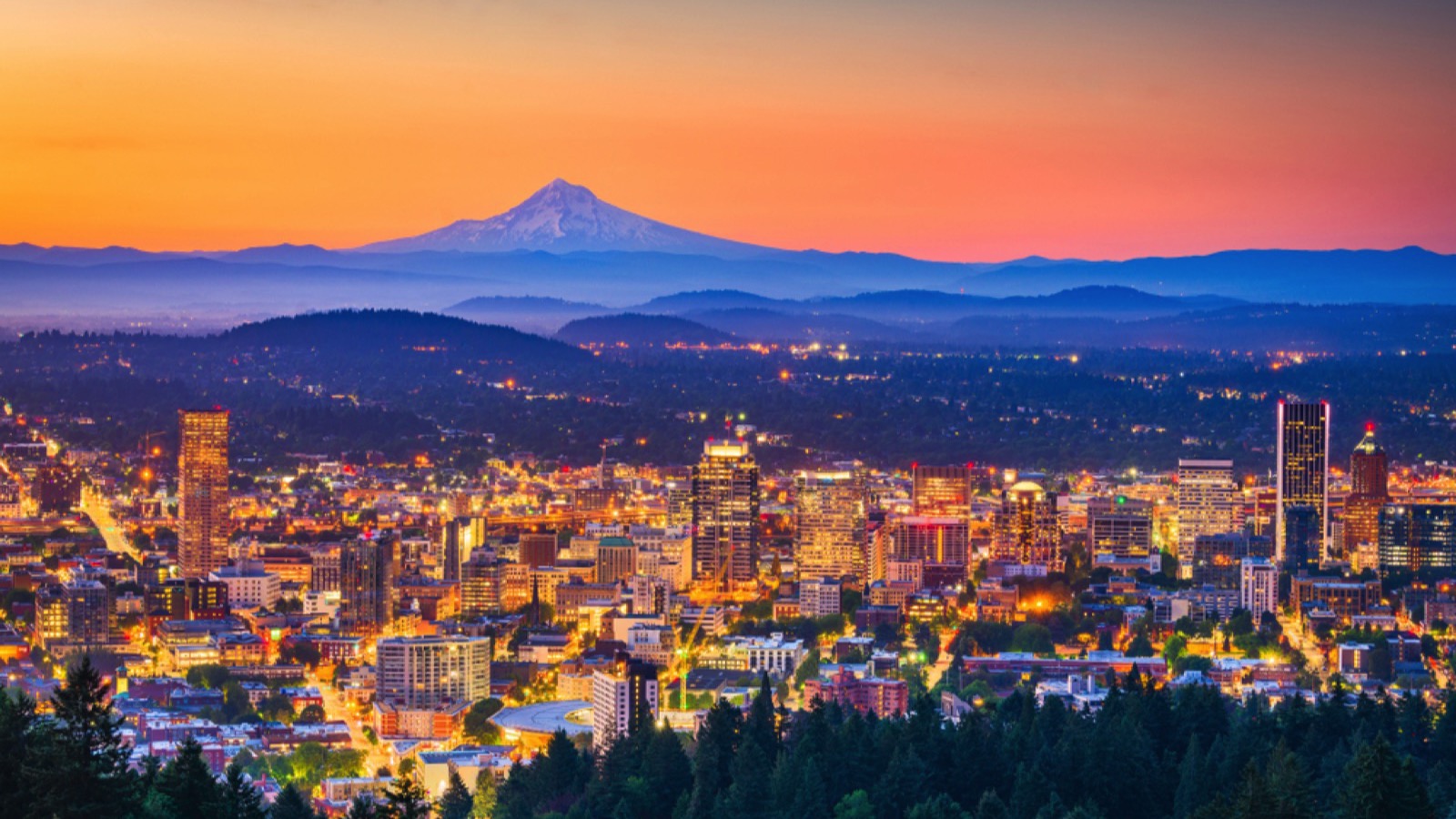
Progressive public health policies and community-based law enforcement efforts make Oregon a strong contender when it comes to safety. Rural and suburban areas, in particular, report low crime rates, and there’s been a steady drop in property crime over recent years.
With a strong emphasis on disaster preparedness, especially around wildfires, the state stays ready for emergencies.
12. Iowa

Living in Iowa means enjoying low crime, affordable living, and a sense of community that makes people feel safe. Violent crime rates are among the lowest in the Midwest, and property crimes have declined in recent years. Iowa’s focus on public health and education helps reduce risk factors that often contribute to unsafe environments.
13. Idaho

While Idaho may fly under the radar, it’s quietly become one of the safest places in the country. The crime rate is impressively low, and the state also boasts low levels of traffic fatalities and workplace accidents. The state has strong gun safety education programs and an emphasis on local emergency readiness.
Combined with a slower pace of life and lower population density, these factors contribute to a secure atmosphere.
14. New Jersey

Despite its reputation for traffic and urban sprawl, New Jersey ranks higher than many would expect for safety. The state of New Jersey has heavily invested in emergency services, leading to some of the best response times in the nation. Violent crime is concentrated in a few areas, and most towns report well below-average rates. New Jersey also has top-tier hospitals and healthcare access.
15. Wisconsin

Affordable, safe, and full of friendly people, Wisconsin makes a strong case for everyday security. Crime levels are far lower than the national average. It also excels in areas like drinking water quality, fire safety, and traffic regulation enforcement. Public health services are widely available, and schools are known for safety-focused policies.
YOU MIGHT ALSO LIKE:
18 Things You Should Never Do At Work, According to HR Experts
How to Spot a Veteran: 17 Habits Only Ex-Military People Have
17 Things Boomers Love That No One Understands Why
Parts of this article were developed using AI assistance.