You might think that if you own something, you have the right to keep it in your home. But depending on where you live in the U.S., certain everyday items could actually be illegal. Some bans are for safety reasons, while others are based on environmental concerns, outdated laws, or even local preferences.
Here are some household items that could be against the law in certain parts of America.
Kinder Surprise Eggs

Those chocolate eggs with a toy hidden inside may seem harmless, but they have been banned in the U.S. for decades. The reason? A federal law prohibits any food product from containing a “non-nutritive” object inside it, making Kinder Surprise eggs illegal to sell or import. The concern is that the small plastic toy inside poses a choking hazard for children.
Rainwater Collection Systems

The collection of rainwater in a barrel might sound like an eco-friendly way to conserve resources, but in some states, it’s actually illegal or highly regulated. Certain local governments argue that rainwater is part of the public water supply and should not be diverted for private use.
While restrictions vary by state, some homeowners have been fined for installing rain barrels without proper permits.
Incandescent Light Bulbs

Traditional incandescent light bulbs, once a household staple, have been gradually phased out in the U.S. due to energy efficiency regulations. Federal laws have banned the production and sale of certain wattages, encouraging consumers to switch to LED or CFL bulbs instead.
If you have an old stash sitting in a drawer, you technically own a product that’s no longer legal in many states.
Certain Houseplants

Not all plants are welcome in every state, and some are outright banned due to their invasive nature or toxicity. For example, certain species of bamboo, English ivy, and even some types of mint are prohibited in certain regions because they spread aggressively and threaten local ecosystems.
Old-School Lawn Darts

The original version of lawn darts, also known as Jarts, was banned in the U.S. after numerous reports of serious injuries and even fatalities. These weighted metal-tipped darts were once a popular backyard game, but their sharp points made them incredibly dangerous.
Unapproved Mattresses

Certain mattresses that don’t meet federal fire safety standards are illegal to sell in the U.S. The Consumer Product Safety Commission requires that all mattresses sold in the country pass flammability tests to reduce fire risks.
If you ever come across an ultra-cheap mattress online or at a flea market, there’s a chance it doesn’t meet U.S. safety regulations.
Certain Fireworks

Fireworks on the Fourth of July are an American tradition, but in many states, certain types of fireworks are completely banned. Large aerial fireworks, firecrackers, and bottle rockets are illegal in places where they pose fire hazards or safety concerns. Some states, like Massachusetts, ban consumer fireworks entirely, while others allow only sparklers and small fountains.
Antique Ivory Items

Something made of ivory, like an old piano key or a vintage figurine, could put you on the wrong side of the law. Federal and state regulations prohibit the sale and trade of ivory to protect endangered elephants and other animals.
Even antique ivory, which was legally obtained before modern bans, is subject to strict restrictions. Some states have complete bans, outlawing even inherited ivory items.
Homemade Cheese

To make and sell homemade cheese seems like a harmless hobby, but certain types are illegal due to health concerns. In the U.S., unpasteurized raw milk cheese must be aged for at least 60 days to be legally sold. Some homemade or farm-produced cheeses don’t meet these regulations, making them illegal in some states.
Certain Pet Breeds

Breed-specific legislation bans certain dog breeds, such as pit bulls, Rottweilers, and Dobermans, in some communities due to concerns about aggression. Exotic pets like sugar gliders, hedgehogs, and even ferrets are also illegal in certain states. These bans vary widely, meaning a pet that’s perfectly legal in one area might be completely prohibited in another.
Powerful Magnets

Some high-powered magnets, particularly neodymium magnetic balls used in toys and stress-relief gadgets, have been banned due to safety concerns. Small children who accidentally swallow these magnets can suffer serious internal injuries, leading to emergency surgeries and even fatalities.
Vintage Thermometers with Mercury
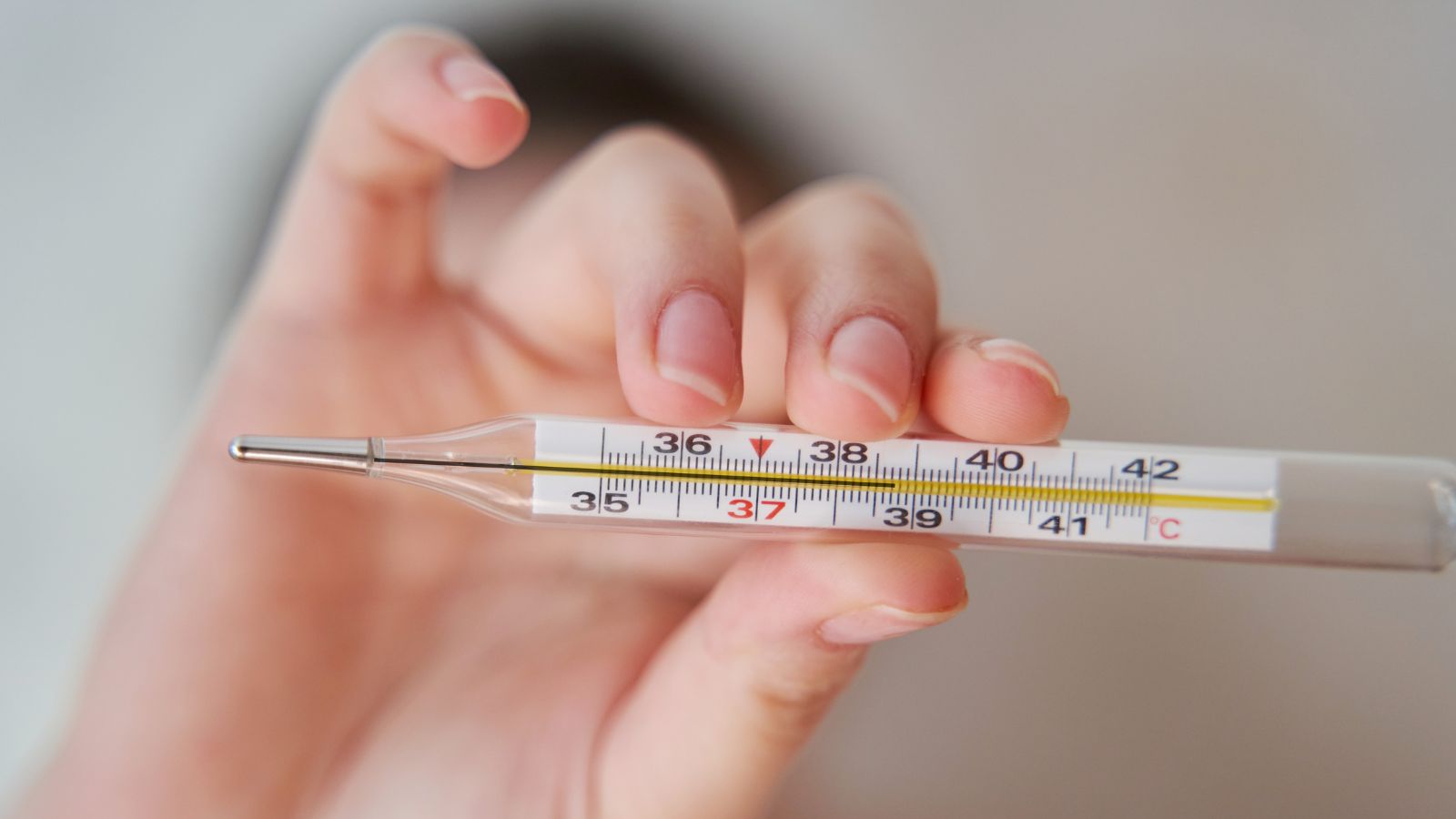
Old mercury thermometers were once a household essential, but many U.S. states have banned them due to the dangers of mercury exposure. If a mercury thermometer breaks, the toxic liquid can be hazardous to both humans and the environment.
Many areas now require the use of digital or alcohol-based thermometers instead.
Plastic Straws in Certain States

Some U.S. states and cities have taken a stand against plastic waste by banning single-use plastic straws. California, New York, and Seattle have all enacted laws limiting their use in restaurants and coffee shops. Reusable straws made of metal, silicone, or biodegradable materials are now the preferred alternatives in these areas.
Non-Energy-Efficient Showerheads

Certain high-flow showerheads that use excessive amounts of water are no longer legal in America due to water conservation laws. The federal government limits showerhead water flow to 2.5 gallons per minute, and some states, like California, have even stricter rules.
Older models that exceed these limits can’t be sold, though many homeowners have kept their pre-ban showerheads installed.
Certain Types of Cooking Oils

Some oils commonly used in kitchens around the world are actually banned in parts of the U.S. due to health concerns. Trans fat-laden partially hydrogenated oils, once a staple in processed foods and frying, were officially banned by the FDA in 2018 because of their link to heart disease.
Additionally, oils derived from specific plants, like mustard oil, are restricted unless labeled “for external use only” due to concerns about potential toxicity.
Drones Over Certain Areas

Flying a drone in your backyard might seem like a harmless hobby, but depending on where you live, it could be illegal. Many cities and states have restrictions on drone use, especially near airports, government buildings, and even private property. Some neighborhoods have banned them outright due to concerns about privacy and safety.
Old-School Lead Paint

Homes built before 1978 may contain lead-based paint, which is now banned due to health hazards. Federal law prohibits the sale of lead paint, and landlords must disclose any known lead hazards to tenants. If your home still has lead paint, it must be removed following strict safety guidelines.
Collectible Eagle Feathers

Finding an eagle feather in your backyard might feel like a lucky discovery, but keeping it is actually illegal under U.S. law. The Bald and Golden Eagle Protection Act makes it a federal crime to possess, sell, or transport eagle feathers without a special permit. The law was created to protect the eagle population, but it applies even if you find a feather naturally.
Native American tribes can obtain permits for ceremonial use, but for everyone else, the law is strictly enforced.
Parts of this article were developed using AI assistance.