
Gun ownership comes with big responsibilities, and seasoned shooters can usually spot a new owner a mile away. While there’s nothing wrong with being new, certain habits – or lack of them – can give you away fast. Safety and good handling take practice and discipline, not just a permit.
Whether you’ve had your first gun for a week or a year, avoiding these 18 small but obvious mistakes can help you look more competent – and keep you safe.
Finger on the Trigger Too Soon

There’s nothing that makes experienced gun owners more nervous than seeing someone walk around with their finger on the trigger. This is basic safety 101: keep your finger off the trigger until you’re ready to fire. Resting it there while handling, pointing, or loading the gun tells everyone around you that you’re either unaware of basic safety or just not taking it seriously.
Treating the Gun Like a Toy

Just handling a firearm too casually – waving it around, joking while holding it, or pointing it without care – makes others uncomfortable. A gun isn’t something to play with, even when it’s unloaded.
People who have been around firearms for a while know that the seriousness of gun safety never gets relaxed. Respect has to be part of every interaction with a weapon, no matter how familiar or confident you feel.
Forgetting to Check if It’s Loaded

To assume a gun is unloaded without confirming it yourself is a common rookie mistake. The first thing experienced shooters do when picking up a firearm is check the chamber, magazine, or cylinder. Although you might “know” it’s unloaded, others around you don’t – and they won’t take your word for it. Verifying the gun’s status shows responsibility and earns trust quickly.
Using the Wrong Ammunition

Buying a new firearm and loading it with whatever ammo is on sale can backfire – literally. Using the wrong type or caliber for your gun can cause serious damage or injury. It’s not enough to grab any box that looks right.
Read the manual, inspect the barrel markings, and understand what ammunition your gun is designed for: that will protect both you and the firearm. Mismatched ammo is a dead giveaway that someone’s still learning the ropes.
Not Cleaning or Maintaining Your Gun

A gun sitting in a drawer or case for months without cleaning can lead to rust buildup and poor performance. Maintenance is part of the responsibility. Even if a gun isn’t used often, it needs regular inspection and care. A firearm that jams, misfires, or shows wear due to neglect signals to others that you’re not quite dialed into ownership yet.
Pointing the Muzzle in Unsafe Directions
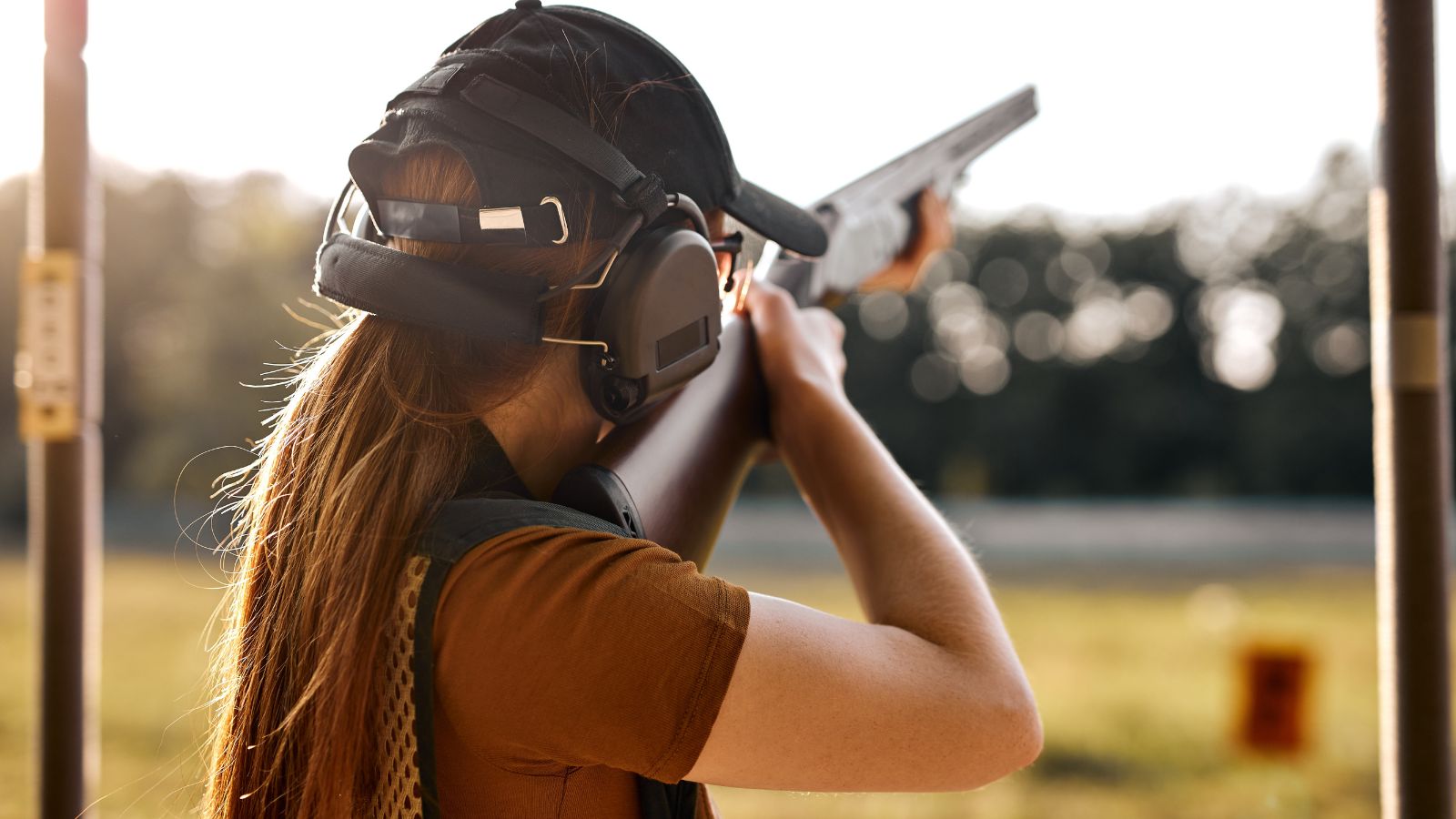
Muzzle discipline is a cornerstone of safe handling, and it’s something experienced shooters pay attention to every single time. Walking around with the muzzle of your gun aimed at the floor, the ceiling, or people’s feet is a sure way to make everyone nervous. New gun owners sometimes forget how important it is to always keep the muzzle pointed in a safe direction, even when the gun is supposedly unloaded.
Wearing Tactical Gear at the Range

A beginner showing up in full tactical gear, complete with a holster rig, combat boots, and military patches, might not be the best look. Overdoing the look without matching the skill level can backfire. Other shooters may take it as trying too hard. Seasoned gun owners tend to keep it simple because gear doesn’t impress anyone if you don’t know how to use your firearm properly.
Fumbling with Loading or Unloading

Do you struggle with magazines, slides, or cylinders? That can mark you as a new owner quickly. Smooth loading and unloading is a skill that comes with familiarity and repetition. Getting to know your weapon well enough to operate it confidently under pressure – or even just without hesitation – shows others that you’ve put in the time to practice. Jamming rounds in awkwardly or dropping things will draw attention fast.
Not Understanding Range Etiquette

Every range has its own set of rules, but most of them share common courtesies: don’t cross the firing line, wait for the range officer’s call, and always communicate clearly. Ignoring commands, talking too loud, or failing to clear your bench can irritate others.
People will notice quickly if you don’t seem to know how things work at the range. Reading posted rules and watching others before jumping in helps you blend in and stay safe.
Leaving Your Gun Unattended

It is never acceptable to set a firearm down and walk away from it. That gun should be in your control or locked up. If someone sees a firearm sitting unattended, they’ll assume either carelessness or inexperience. Responsibility doesn’t take a break, and even a moment of inattention can cause concern or worse – an accident.
Overloading with Accessories
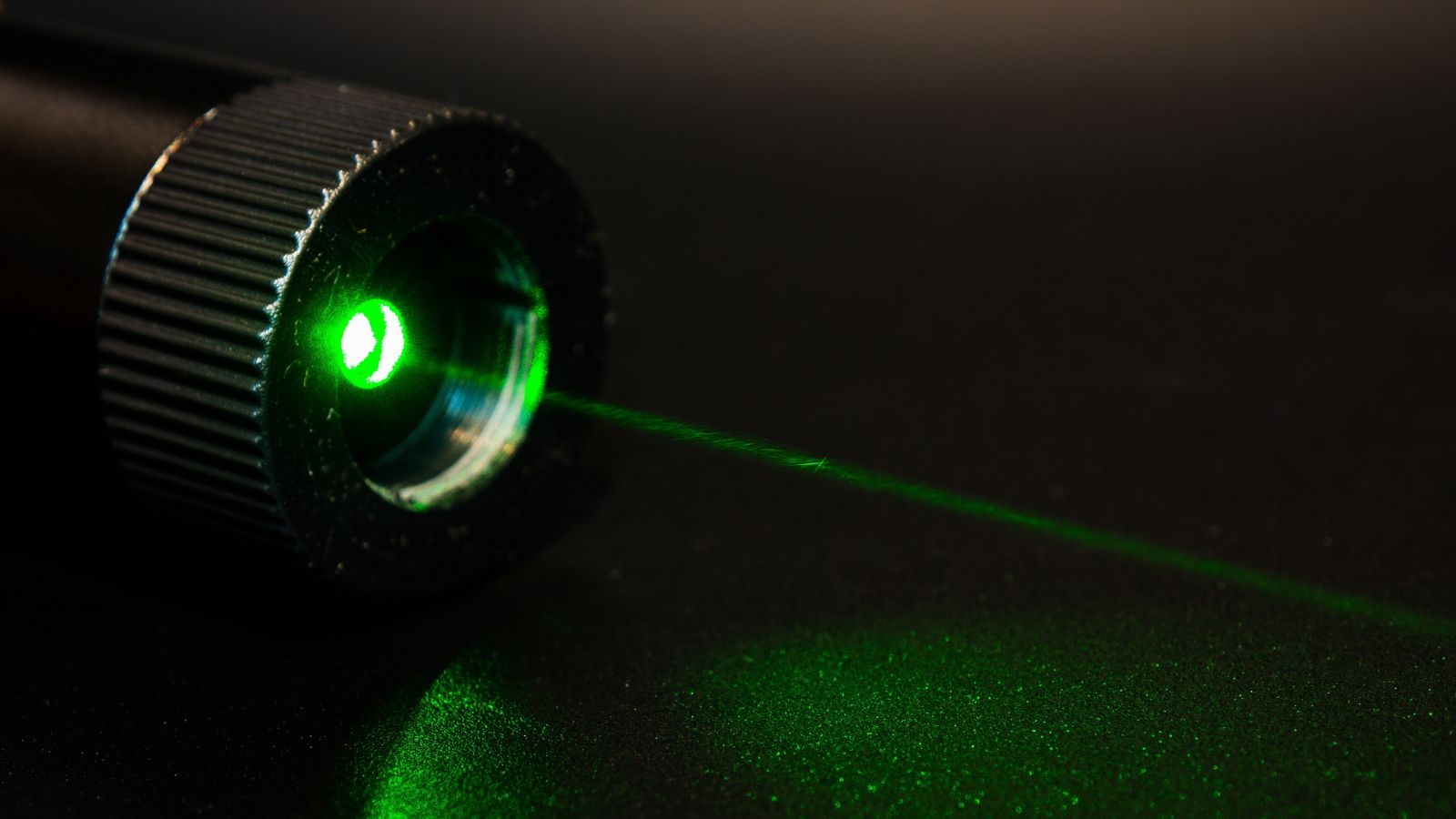
Too many attachments on a gun, like lasers, flashlights, oversized scopes, and custom grips, can make you look more focused on style than function. Some gear has a purpose, but adding everything at once without understanding how to use it effectively signals a lack of experience.
Experienced shooters stick to what works, not what looks cool. Simplicity often says more about your competence than tricked-out gear ever will.
Talking More Than Listening

Any attempt on your part to impress others at the range, by dropping gun terminology or bragging about your collection, will fall flat. Gun communities value knowledge, but they respect quiet confidence even more. Listening to range officers and learning from experienced shooters earns you more credibility than trying to sound like an expert.
Using a Gun Without Reading the Manual
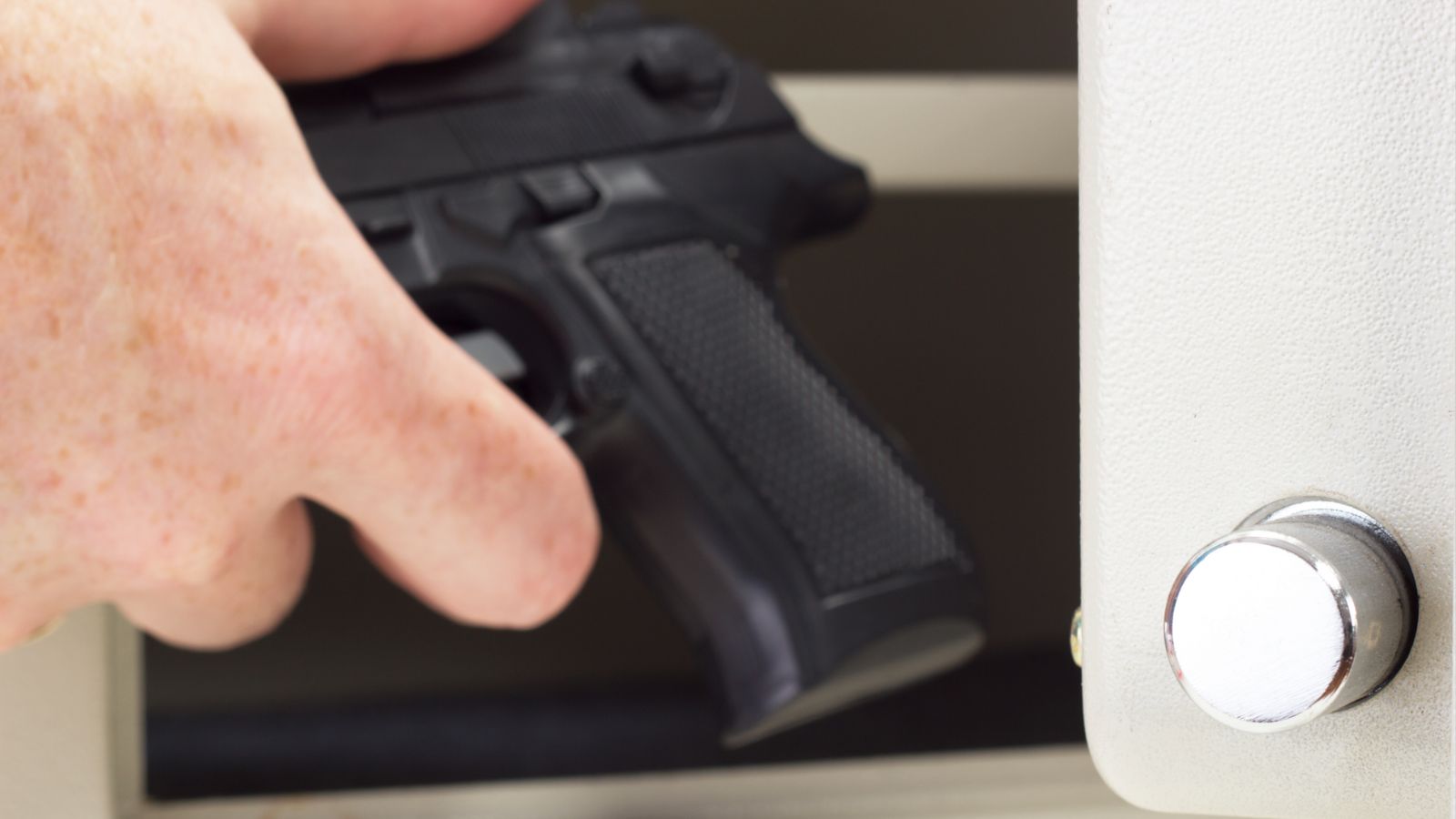
When you skip the instruction manual it’s like tossing out the safety rules. Every firearm is a little different – some have unique safeties, loading steps, or takedown methods. Not reading the manual increases your chances of doing something wrong. Manuals aren’t optional – they’re important and there to protect both you and the firearm.
Forgetting to Bring Proper Eye and Ear Protection

Failure to wear protective gear or using cheap sunglasses and foam earplugs from the gas station screams unprepared. Gun ranges are loud, and ejected casings can hit eyes fast. Proper protection isn’t just about safety – it shows that you know what you’re doing.
Good gear helps others feel comfortable around you because it means you take your time at the range seriously, even if you’re still learning the ropes.
Carrying Without Understanding the Laws

Simply getting a concealed carry permit is one thing. Understanding where and when you can legally carry is another. State laws vary widely, and what’s allowed in one place might land you in trouble somewhere else. People who carry without brushing up on local laws can come off as reckless or uninformed.
Treating Recoil Like a Surprise
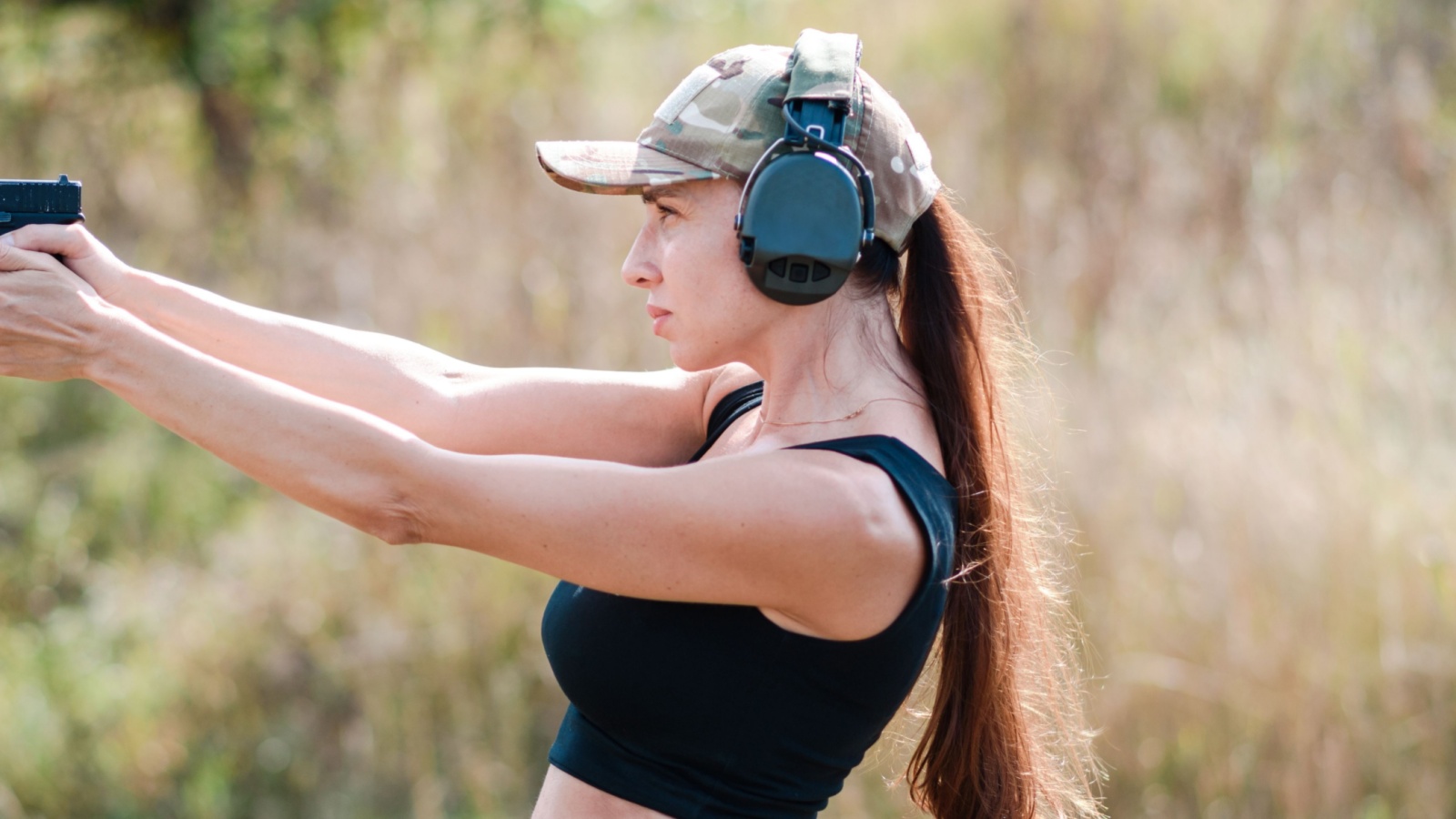
To fire a gun and react like it caught you off guard – such as jerking your hands or losing your grip – tells everyone you haven’t practiced much. Recoil is part of the experience, and learning to manage it is key to being comfortable and accurate. Watching your posture and developing control shows others that you’ve trained and improved.
Bringing the Wrong Gun for the Situation

Taking a heavy hunting rifle to an indoor pistol range or trying to practice close-quarters drills with a revolver can look out of place. Knowing what tool fits the environment shows awareness. There’s nothing wrong with using what you have, but bringing the wrong firearm for the setting shows a lack of understanding.
Being Too Nervous or Too Overconfident

Both ends of the spectrum give off “new gun owner” energy. Appearing overly nervous suggests you’re not yet comfortable with basic handling. On the flip side, acting like you know everything while breaking basic safety rules is just as obvious.
Your goal should be calm, controlled behavior. Confidence without recklessness. Comfort without carelessness. People who find that balance tend to be safer than those faking it or freezing up.
POPULAR POSTS
16 Countries Where American Tourists Aren’t Exactly Welcome
20 High-Paying Careers That Desperately Need Workers – But Nobody Wants to Do Them
18 Useless Features on Cars That Jack Up the Price for No Reason
This article may contain AI-assisted content that has been reviewed and edited by our editors to ensure quality and accuracy.