
Home ownership feels like total freedom until you find out just how many rules you didn’t know you were breaking. Some of the most ordinary things people do around their houses are actually against the law, depending on where they live, whether it’s a local ordinance, or a neighborhood rule.
Here are 18 ways you could end up with a fine just for trying to take care of your property like usual.
Installing a Fence Without a Permit

Most towns have rules about how tall fences can be, what they’re made of, and exactly where they’re placed. Skipping the permit process could land you in hot water, especially if your new fence crosses into a neighbor’s property or blocks sightlines. City officials can order you to tear it down, even if you just built it.
Letting Grass Get Too Long

Lawn care isn’t just a matter of pride in some districts – it’s the law. Plenty of cities have height restrictions for grass and weeds, and if your yard starts looking more like a field, you could get cited. This might seem unfair if you’re busy or away, but that doesn’t usually stop the fines. Sometimes, the city will even mow it themselves and bill you afterward.
Collecting Rainwater

Saving rainwater might sound like a smart, eco-friendly move, but it’s actually illegal in parts of the U.S. Several states consider rain part of a shared water supply, and diverting it for personal use can interfere with downstream rights.
Homeowners caught with barrels under their gutters have been warned or fined, depending on the area, so always check the local rules before setting up a system.
Doing Electrical Work Yourself

Just fixing a loose outlet or replacing a light fixture might not seem like a big deal, but most places require a licensed electrician for anything beyond basic repairs. Residents who go ahead without a permit could face penalties, especially if something goes wrong later. Fire risks and code violations are serious concerns. Insurance companies might even deny a claim if the work wasn’t done by a pro.
Converting a Garage into a Room

Extra space is always tempting, and turning a garage into a bedroom or office sounds like a great idea. The trouble is, it’s often not allowed without permits and inspections.
Garages have different building standards, especially when it comes to ventilation and fire safety. Just skipping the approval process can lead to major fines – and you might have to undo all that work if someone reports it.
Feeding Wildlife

Wild animals might look cute at your doorstep, but feeding them can be against local law – and that includes everything from raccoons to deer, and even birds in some spots. These rules exist to keep animals from becoming dependent on humans or spreading disease. Yes, you could be helping them survive, but still end up facing a fine.
Building a Shed Without Approval

Sheds feel like backyard basics, but they usually fall under zoning and permitting rules, and even small ones might require approval for size, or distance from fences. Cities want to avoid cluttered lots, storm runoff issues, or fire hazards.
Those who skip permits might not hear anything for months – until a neighbor complains. At that point, fixing it becomes a lot harder than doing it right the first time.
Renting Out a Room Without Registering

Extra income from a spare room sounds harmless enough, but local governments often see it as a business. Many cities require hosts to register and follow safety rules for short-term rentals. A friend staying over regularly could violate housing codes – and you might not realize it’s an issue until you get a letter in the mail or a visit from code enforcement.
Blocking Sidewalk Access

Sidewalks in front of your house might feel like part of your property, but you’re not always free to do what you want with them. Blocking them with cars, garbage cans, or overgrown bushes can violate accessibility laws.
Cities take pedestrian access seriously, especially for people with disabilities, and neighbors who report issues can trigger surprise inspections and fines. Just because it’s right outside your door doesn’t mean it’s yours to control.
Installing Solar Panels Without Permission

Clean energy is a great idea, but even solar panels need approval. Folks often forget that panels change the roof’s structure and electrical system. Permits, inspections, and sometimes even approval from the HOA are required. Ignoring those steps might cost more in the long run, because the city could demand removal until it passes inspection.
Digging Without Calling 811

To plant a tree or install a mailbox might not sound like dangerous work, but digging in the wrong place could hit utility lines – which is why it’s illegal in most states to dig, without calling 811 first.
The service marks underground cables, gas lines, and pipes to help you avoid a costly mistake. Missing out that step is risky and can get you fined or held liable for any damage.
Painting the Exterior Without Approval

To change the color of your home might feel like a personal decision, but it can violate HOA guidelines or historic district rules. Plenty of neighborhoods only allow certain shades or require advance approval. Those who repaint without checking can be ordered to redo the job at their own expense.
Hosting Loud Parties

Simply celebrating a birthday or graduation is one thing, but excessive noise can lead to legal trouble. Noise ordinances vary by city, but most have quiet hours starting in the evening. Music, yelling, or even barking dogs can cross the line if it goes on too long or gets too loud. Repeat offenses can come with steeper penalties.
Trimming a Tree That Isn’t Yours

Branches hanging over your yard might seem fair game, but the tree itself usually belongs to whoever owns the trunk. Cutting or damaging it without permission can lead to civil or criminal charges, especially if the tree is protected. Lots of cities even have arborist rules for pruning large trees.
Burning Leaves or Trash

Fires might seem like a fast way to get rid of yard debris, but burning is restricted or banned in many areas. Air quality concerns, wildfire risks, and safety laws all come into play, with some towns only allowing burning at certain times of year – and requiring a permit.
Ignoring those rules could result in hefty fines, especially during dry weather or high wind warnings.
Using the Wrong Kind of Light Bulbs Outdoors

Outdoor lighting has to meet specific codes in many places, especially near streets or protected habitats. Bright or uncovered bulbs might violate local dark-sky laws or disturb nearby wildlife. Several areas require motion sensors or specific wattages to limit light pollution. Not every bulb belongs in every socket, especially outside.
Installing a Security Camera Aimed at Neighbors
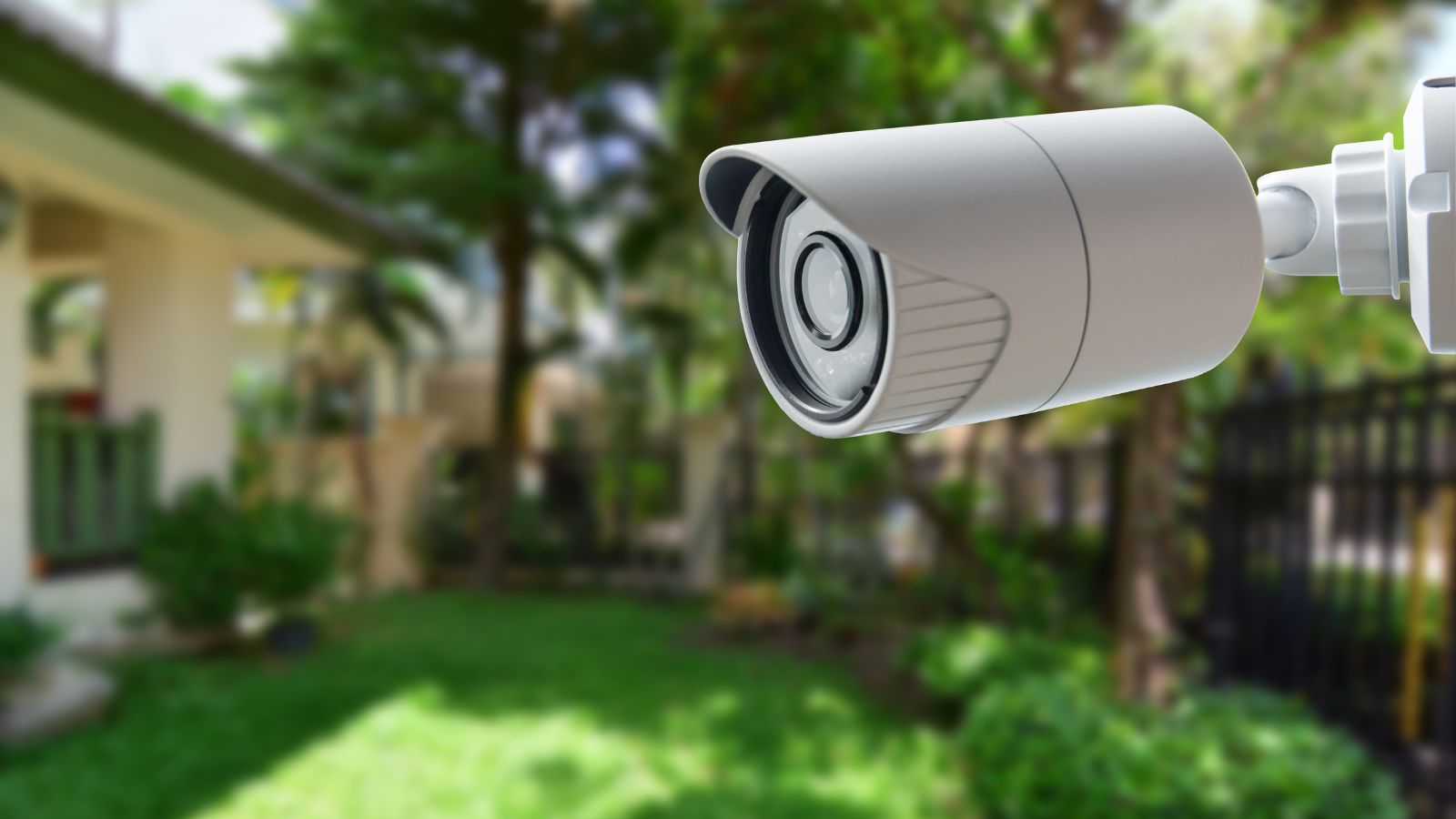
Security matters, but pointing a camera at someone else’s door or yard can raise privacy concerns. States vary on what’s allowed, but recording areas beyond your property line can be illegal in some cases.
Even if you mean well, your neighbors might not see it that way – and a complaint could lead to legal trouble or demands to take it down. Cameras should protect your space, not monitor someone else’s.
Using a Fire Pit Without Clearance

Fire pits are popular, but they come with strict safety regulations – and just because you bought it at a big-box store doesn’t mean it’s legal to use wherever you want.. Lots of cities require a specific distance from buildings or fences. Others ban open flames entirely in residential zones.
POPULAR POSTS
18 Things That Were Just Part of Growing Up in the ’60s, Now They’re Unthinkable
17 Fast Food Chains That Americans Just Don’t Like Anymore
17 Jobs Nobody Wants Anymore – And Retirees Are Jumping In
This article may contain AI-assisted content that has been reviewed and edited by our editors to ensure quality and accuracy.