There’s something oddly comforting about old-school habits, but let’s be honest: some traditions just aren’t built to last forever.
As technology races ahead and younger generations shape the culture, a handful of customs from the older crowd are slowly fading out. Some of these habits were once the gold standard, but they’re starting to feel more out of touch than timeless.
Times are definitely changing – and fast. And these 18 things will be gone sooner than most.
Writing Checks for Everyday Purchases

It used to be totally normal to whip out a checkbook at the grocery store or when paying bills, but now, it feels like a scene from a history book. Paper checks are still around, but mobile payments, debit cards, and auto-pay options are far faster and more convenient.
Even older folks admit they’re using checks less and less. Plus, businesses are making it harder to pay this way, with some places flat-out refusing checks altogether.
Hanging Onto Landline Phones

Some people still hold on tight to their home phones, even though they rarely use them. Having a landline was once a household staple, but with nearly everyone owning a cell phone, it’s harder to justify the cost. Cell phones offer texting, video calls, and apps that do way more than a basic phone ever could. Most new homes aren’t even wired for landlines anymore, which pretty much says it all.
Sending Christmas Cards by Mail

Holiday cards used to be a big deal. But now? Fewer and fewer people go through the trouble. Social media makes it easy to share holiday wishes instantly, without spending money on cards or postage. Younger families often skip this tradition altogether. It’s not that they don’t care – it’s just that they show it differently, through photos, texts, or holiday posts online.
Balancing a Checkbook
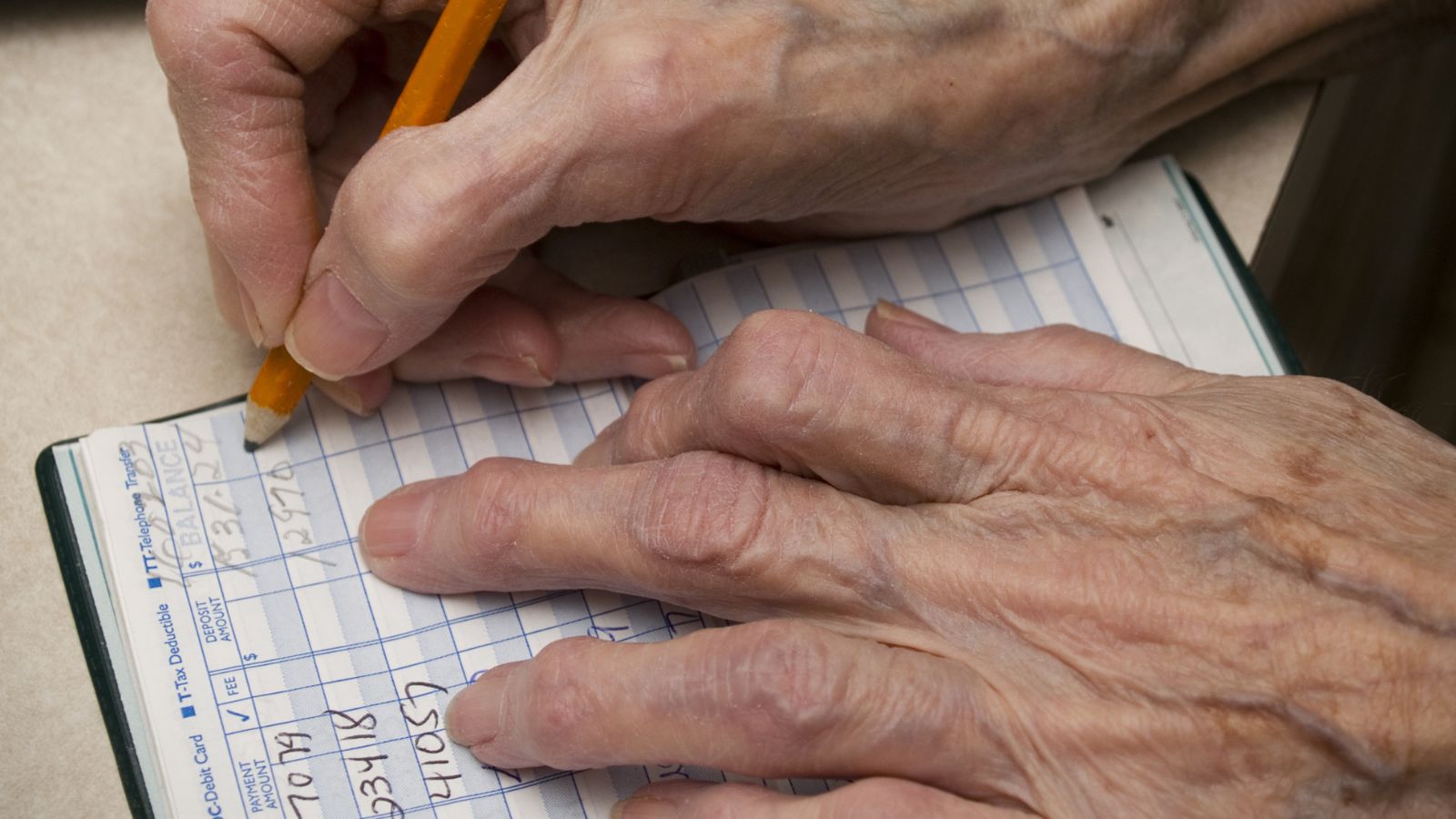
There was a time when carefully jotting down every deposit and withdrawal was what responsible adults did. It was a way to stay on top of finances and avoid bouncing checks. Today, apps and online banking make this process automatic. Transactions are updated in real time, and alerts flag any unusual activity instantly. Manual balancing is rare – and about to disappear altogether.
Ironing Everyday Clothes
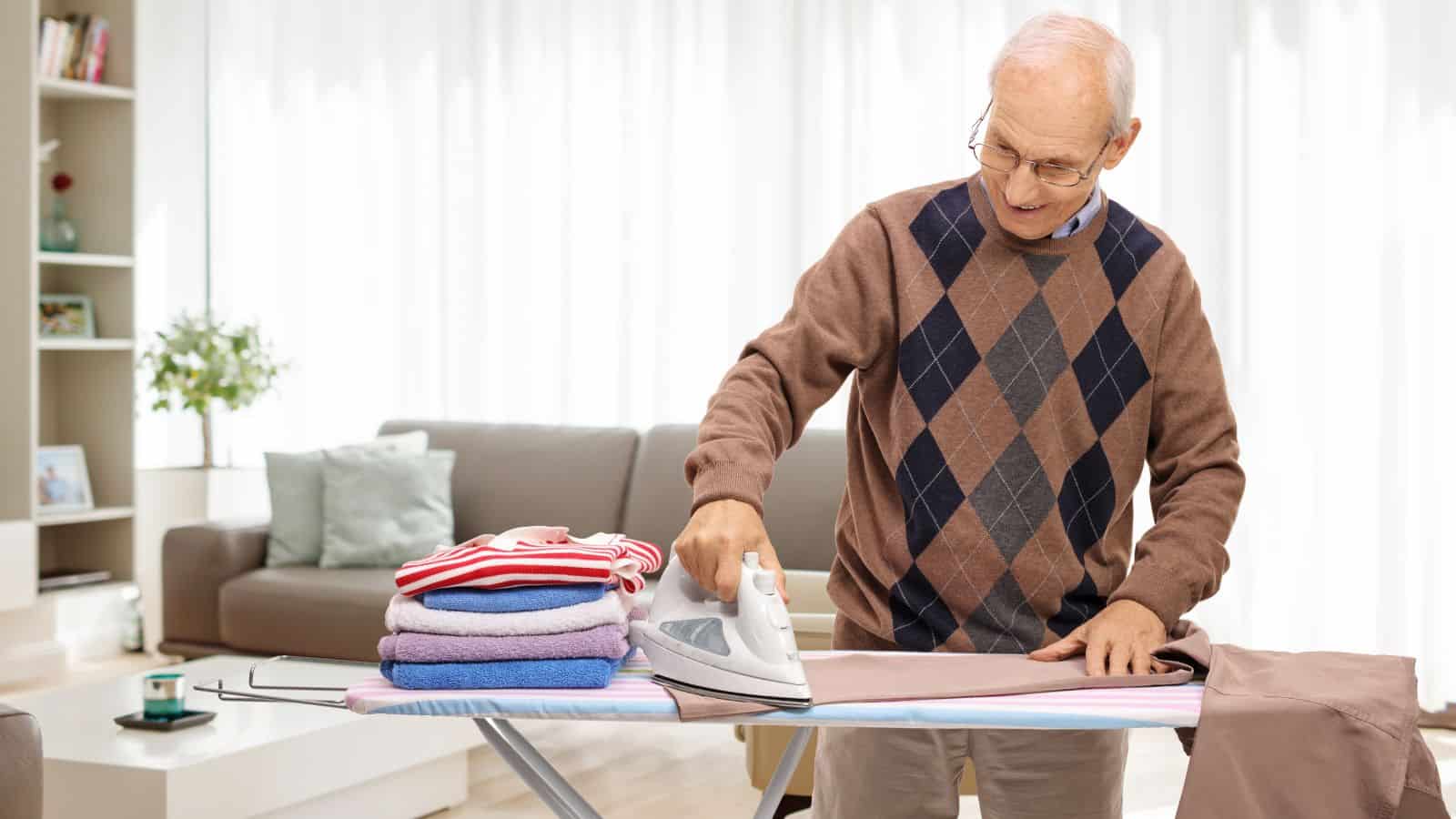
For years, neatness meant pressing your clothes before leaving the house, even for simple errands. But with today’s stretchy, wrinkle-resistant fabrics and casual dress codes, the ironing board is getting dusty. It’s not that folks don’t care about how they look: it’s just that comfort and convenience have taken over. Even workplaces have relaxed dress expectations, which adds to this shift.
Using Encyclopedias for Research

A full set of encyclopedias once meant having a personal library of knowledge. Parents bought them for their kids, hoping to give them a leg up in school. Teachers now prefer digital sources, because they can be updated constantly. The idea of flipping through 20 volumes to find one fact just doesn’t make sense anymore.
Attending Church Every Sunday

A weekly church visit was part of life for many families. It wasn’t just about faith: it was social, routine, and expected. But attendance across most denominations is declining fast, with younger generations exploring spirituality in different ways, or sometimes not at all.
Traditional services don’t always match modern values or lifestyles, and that gap makes weekly churchgoing feel less relevant to newer generations.
Using Cash for Most Purchases

There’s a certain satisfaction some people still get from paying with crisp bills and exact change, but cash is no longer king. Most younger people rarely carry it, preferring cards or phone payments instead. It’s faster, safer, and easier to track spending. With tipping at restaurants and paying friends having gone digital, carrying cash feels more like a backup plan than the main option.
Displaying China Cabinets and Formal Dishware
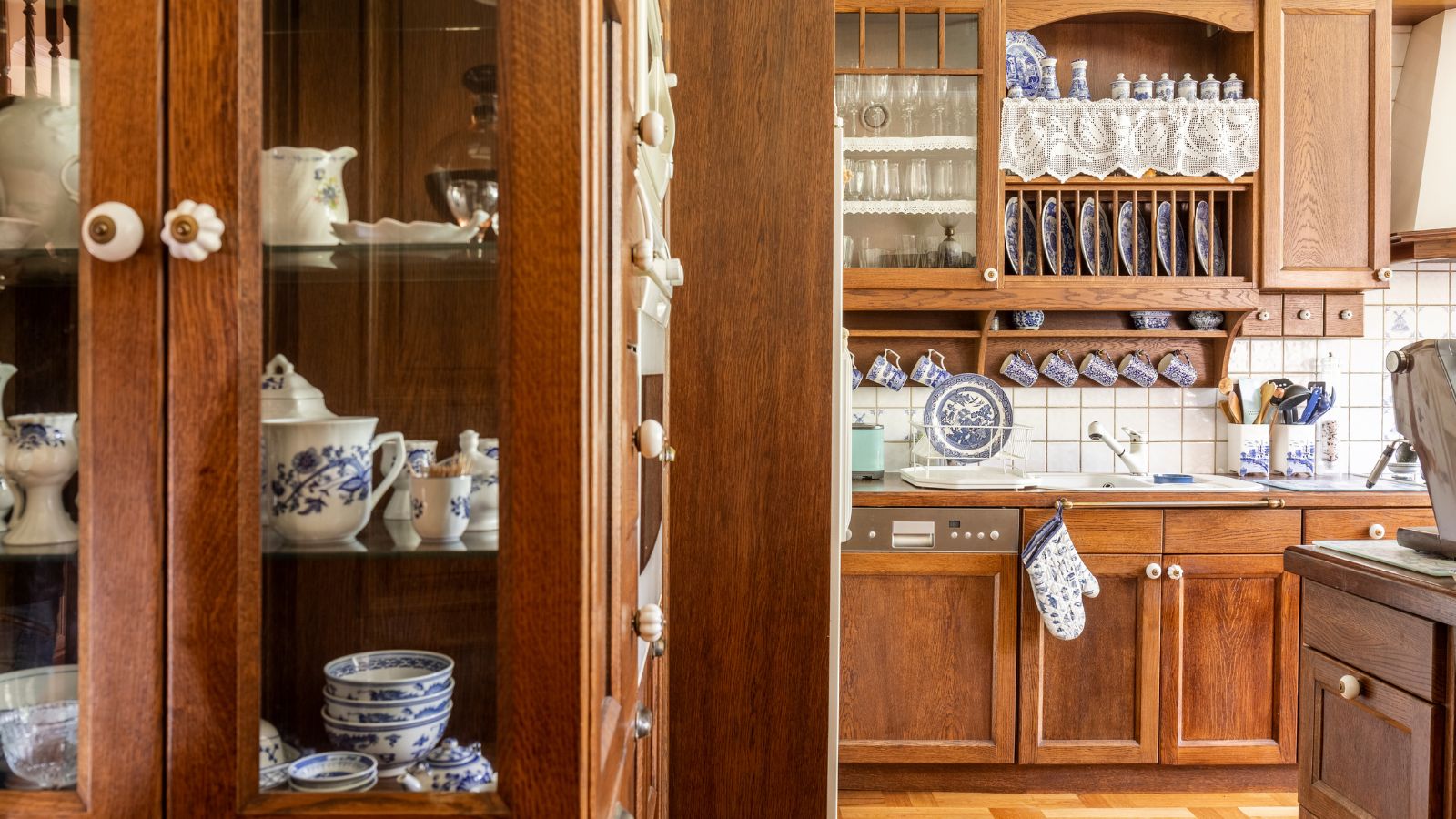
In many older homes, there’s a cabinet filled with delicate plates, crystal glasses, and items that never see daylight. These pieces were once treasured wedding gifts or family heirlooms, displayed with pride. But people today prioritize function over form, and that shift is making formal dishware feel like a thing of the past.
Reading the Newspaper in Print

With print subscriptions declining and local papers shutting down, printed newspapers are fast becoming collector’s items instead of daily staples. That ritual of unfolding a newspaper with your morning coffee is on its way out. These days, headlines are a swipe away, and articles get updated by the hour, not the day.
Younger readers especially prefer news apps or social media updates because they’re faster and more interactive.
Sending Handwritten Letters

For a long time, writing letters was the go-to way to stay in touch, especially with loved ones far away. But now, texts, emails, and video chats have all but replaced the need for long, handwritten messages. While the personal touch of a letter is still special, fewer people have the time or patience to sit down and write one anymore.
Wearing Watches for Function, Not Style

Back in the day, when cell phones weren’t glued to everyone’s hands, wearing a watch was practical: it told the time, maybe the date, and that was all you needed. Now, most people check their phone when they want the time.
Smartwatches have taken over, offering health stats, messages, and more. Traditional watches are still around, but they’ve become more about fashion than function.
Having Dinner at the Same Time Every Night

Dinner for most families was at 6 p.m. sharp – and a daily event. It brought everyone together, no matter what was going on. These days, with varying work schedules, extracurricular activities, and changing lifestyles, that kind of routine is hard to keep. People often eat when they can, not because the clock says it’s time.
Collecting Figurines, Plates, or Stamps
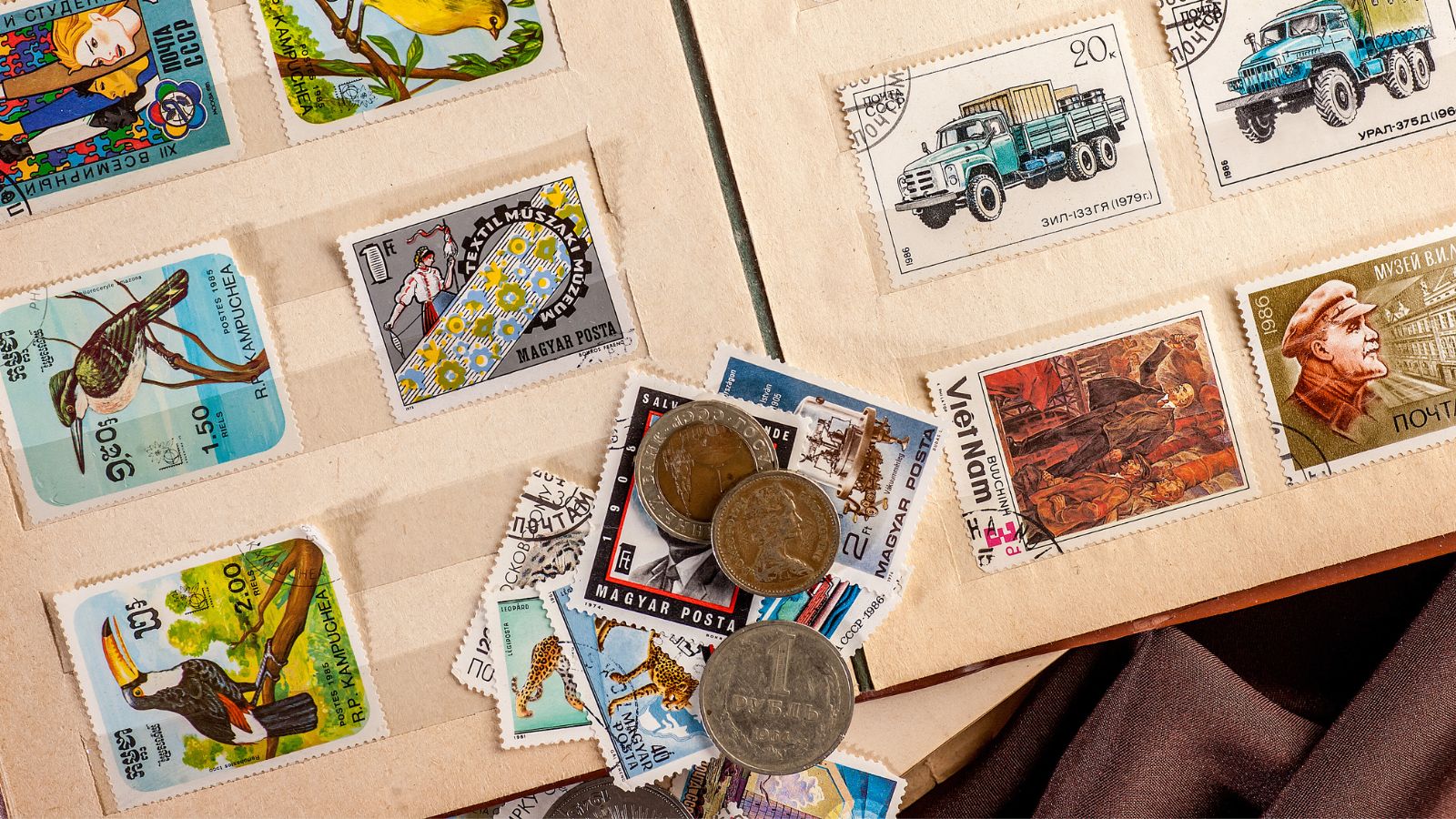
There was once a time when entire shelves were filled with ceramic animals, commemorative plates, or carefully organized stamps. Collecting these items was seen as a hobby, even a sign of sophistication. Now, many younger folks see these objects as clutter rather than treasures. Minimalism is in, and the market for collectibles has dropped. Fewer people want to inherit items they don’t know what to do with.
Watching Cable TV Instead of Streaming
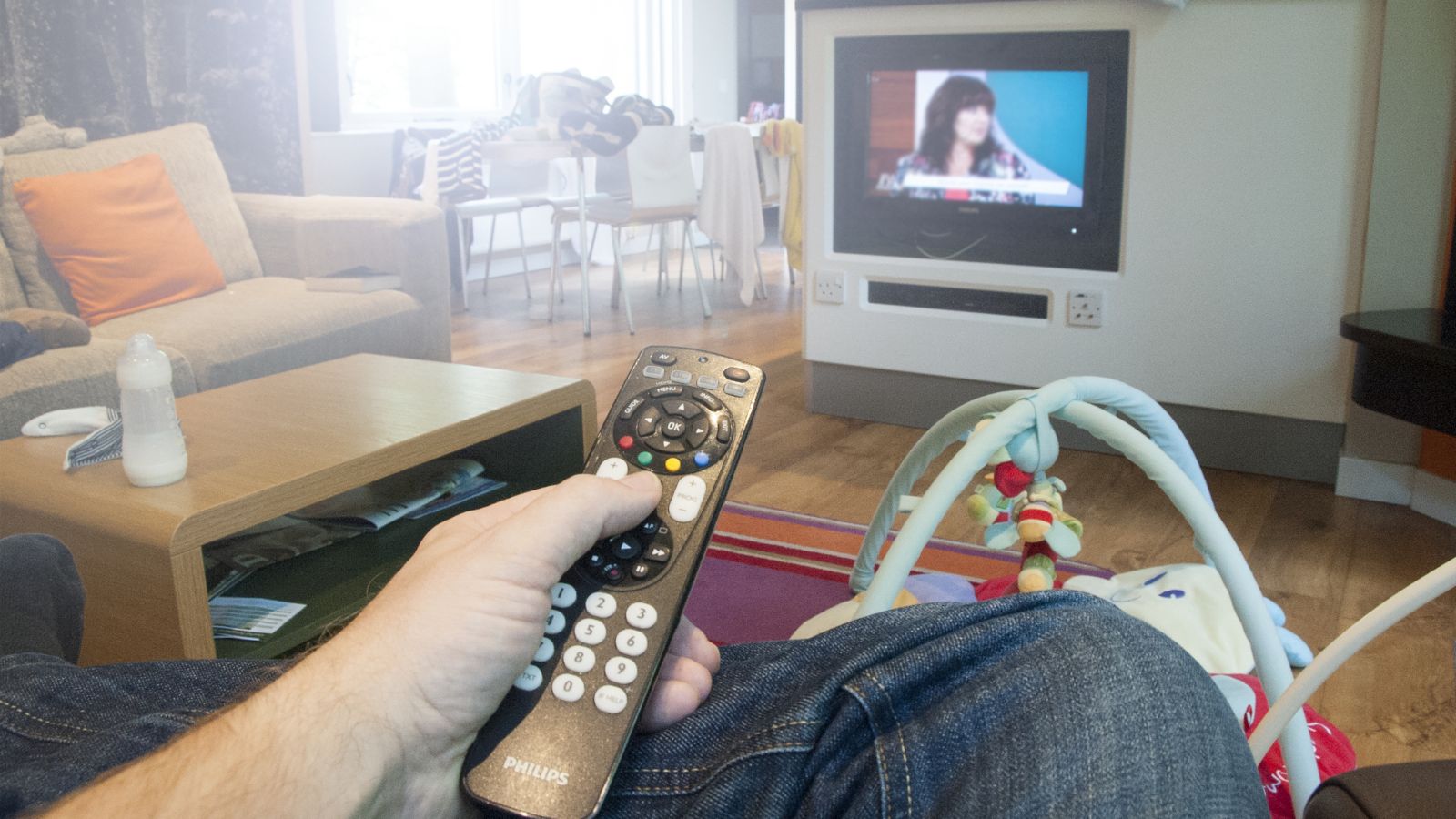
Households today are cutting the cord and moving to streaming-only setups. Gone are the days when flipping through cable channels to find something to watch was normal, even relaxing. The rise of streaming platforms means people want content on their own schedule. Commercials, high prices, and limited control make cable feel outdated.
Streaming offers way more choice and convenience. Younger people especially have little interest in paying for a bundle of channels they’ll never watch.
Keeping Paper Files and Manuals

Filing cabinets stuffed with receipts, warranty cards, and appliance manuals used to be part of staying organized. Now, most of that info lives online. Companies offer digital instructions, banks encourage paperless billing, and apps store important documents safely.
Keeping everything in paper form doesn’t make sense when it’s easier to search your email or cloud storage. The physical clutter is becoming more of a hassle than a help.
Prioritizing Job Loyalty Over Career Growth

Older generations often stuck with one employer for decades, valuing stability and loyalty above all. That mindset has shifted: now, younger workers want opportunities, fair pay, and work-life balance, even if it means changing jobs every few years. It’s not about being ungrateful: it’s about staying in roles that offer growth. Long-term loyalty without progress isn’t as appealing in a world with so many career paths.
Using Formal Titles in Everyday Conversation

Addressing someone as Mr., Mrs., or Miss was once seen as respectful and polite. In many families and communities, it was expected. But modern conversations are much more casual, even in the workplace. Most people prefer first names, regardless of age or status. Formal titles now feel stiff or even outdated.
Respect hasn’t disappeared – it just looks different. It’s more about tone and mutual understanding than using specific words before someone’s name.
YOU MIGHT ALSO LIKE:
18 Backyard Features That Are Now Totally Illegal
14 Jobs That Love Hiring Retirees Because They Actually Show Up and Work
17 Innocent-Looking Items That TSA Might Take Away from You
Parts of this article were developed using AI assistance.